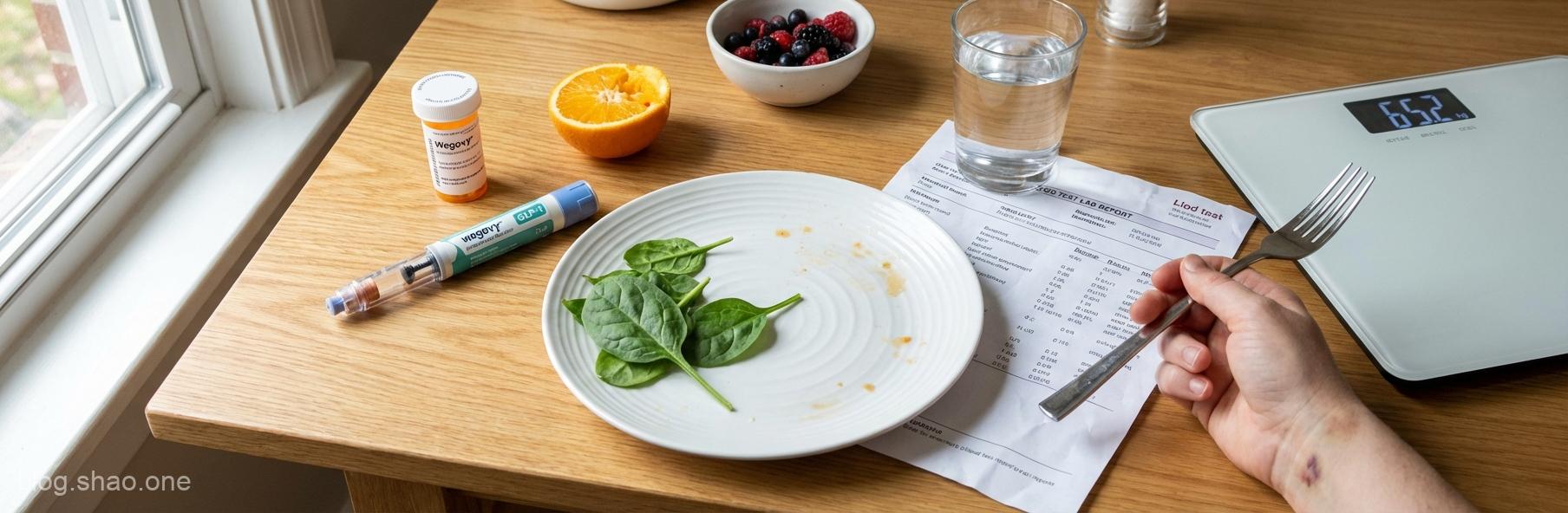
“Hello everyone! Welcome to today’s Tech and Health column. In this era of rapid technological advancement, progress in medical biotechnology can be described as “adding wings to a tiger,” especially for the weight-loss market’s GLP-1 receptor agonists (such as Ozempic and Wegovy), which are virtually seen as the savior for the overweight and a “miracle cure” in the medical world. However, a recent report from NewsNation has been an “eye-opener” for the public, even somewhat “shocking”: these cutting-edge new weight-loss drugs have actually caused some patients to suffer from the long-vanished “scurvy” (Scurvy)!\n\nThis sounds like a fairy tale, but the scientific logic behind it is worth our deep reflection. Today, we will conduct an in-depth analysis of this news to see if we are being “penny-wise and pound-foolish” on the road to pursuing a slim figure.\n\n
🌊 Modern-day “One Piece”? The Bizarre Return of Scurvy
\n\nThe term “scurvy” is something most people might have only seen in history textbooks or the “One Piece” manga. During the Age of Discovery, sailors were unable to consume fresh fruits and vegetables because they were at sea for long periods, leading to severe vitamin C deficiency, which in turn caused bleeding gums, poor wound healing, and even death. Unexpectedly, in the 21st century, this “ancient” disease is “making a comeback” among those taking the most advanced weight-loss drugs.\n\nResearchers have found that patients taking GLP-1 drugs often become “indifferent” and lose interest in food because their appetite is extremely suppressed and gastrointestinal motility slows down. This “setting aside of gourmet food” side effect, while causing weight numbers to drop rapidly, also causes patients to unknowingly fall into severe nutritional imbalance. As the saying goes, “water can carry a boat, but it can also overturn it”; the medicine helps you control your mouth, but it might also close the door to consuming essential nutrients.\n\n
🔍 In-depth Analysis: Why is it “More Loss Than Gain”?
\n\nAccording to the NewsNation report, this is not because the drug itself is toxic, but because patients’ dietary behaviors have developed extreme deviations. Here are a few key reasons:\n\n
- \n
- Excessive Appetite Suppression: GLP-1 mimics satiety hormones, making patients feel “full to the brim,” or even nauseous at the sight of food, resulting in excessively low daily calorie intake.
- Monotonous Dietary Structure: Because they cannot eat much, many patients often only pick a few specific foods to eat, failing to achieve “comprehensive” balanced nutrition and neglecting the importance of vitamin C, protein, and trace elements.
- Neglecting Nutritional Supplements: In the joy of rapid weight loss, many people “get carried away” and forget that it is even more necessary to monitor the body’s vitamin indicators during the weight-loss process.
\n
\n
\n
\n\n
💡 Expert Perspective: Technological Weight Loss Does Not Mean “Quitting Eating Because of a Choking Hazard”
\n\nRegarding this discovery, medical experts have issued warnings. The original intention of weight loss is for health; if one ends up with receding gums and general fatigue just to lose weight, then it is truly “six of one and half a dozen of the other,” or even worse than being obese. The significance of this news is to remind us that while biotechnology can provide “twice the result with half the effort” shortcuts, we cannot “lose one thing while attending to another.”\n\nComments and Insights:\nThis discovery is a resounding “slap in the face” to the field of medical technology, reminding developers and users that human physiological mechanisms are extremely complex. While promoting high-efficiency drugs, supporting dietary management and data monitoring systems must “keep pace with the times.” Future weight-loss technology should perhaps not just be a simple drug injection, but an “all-around solution” that combines personal nutritional data monitoring.\n\n
🛡️ Practical Advice for Readers: How to Lose Weight Healthily?
\n\nIf you or friends around you are considering or are already using GLP-1 drugs, please be sure to remember the following points to avoid “locking the stable door after the horse has bolted”:\n\n
- \n
- Regularly Monitor Nutritional Indicators: Don’t just stare at the numbers on the scale; vitamin levels in blood test reports are equally important.
- High-Quality Diet: Since your “food intake is limited,” every bite must be eaten wisely. Supplement more with kiwifruit, guava, and fresh vegetables rich in vitamin C.
- Consult a Professional Dietitian: Professionals can help you plan a menu to ensure you don’t suffer from “malnutrition” on your weight-loss journey.
- Pay Attention to Warning Signs: If you find yourself abnormally fatigued, having bruised skin, or bleeding gums, never assume it’s a minor matter; this could be your body sending you signals.
\n
\n
\n
\n
\n\nIn summary, GLP-1 drugs are undoubtedly a crystal of modern technology, but they are not a panacea. When using these high-tech products, we must maintain a clear head and not let the pursuit of beauty evolve into a health disaster. After all, “as long as the green mountains remain, there is no fear of lacking firewood,” having a healthy physique is the prerequisite for showing off your figure!\n\nThank you all for reading, and see you in the next Tech Weekly!”