“
🚀 Preface: Besides changing phones, have you updated your ‘biological hardware’?
In an era of rapid technological change and Artificial Intelligence (AI) sweeping the globe, we chase higher-spec processors and smoother operating systems every day. However, as ‘users’ of all this technology, we often overlook the most core ‘hardware’—our bodies. Recently, professional advice from a doctor on the well-known international health-tech media ‘Fit&Well’ sparked widespread discussion. He pointed out that to improve quality of life and prevent risks in old age, you don’t actually need any ‘black technology.’ Just a few ‘intentional minutes’ of balance practice daily can save your life at a critical moment. For the tech crowd who are under high pressure and sedentary in offices for long periods, this is undoubtedly a refreshing reminder.
📍 Core News: Preventing falls begins with improving ‘system stability’
The core viewpoint of this report is very solid: improving balance is the most urgent need for many seniors (and modern young people lacking exercise). The doctor mentioned in the report shared a case: in icy weather, although an elder was wearing professional anti-slip equipment, what truly saved her from injury was the balance ability she had accumulated over time. The doctor emphasized that improving balance isn’t about training to be an acrobat, but rather strengthening the connection between nerves and muscles through a few minutes of ‘deliberate practice’ daily.The following are three ‘low-cost, high-benefit’ exercises recommended in the report:
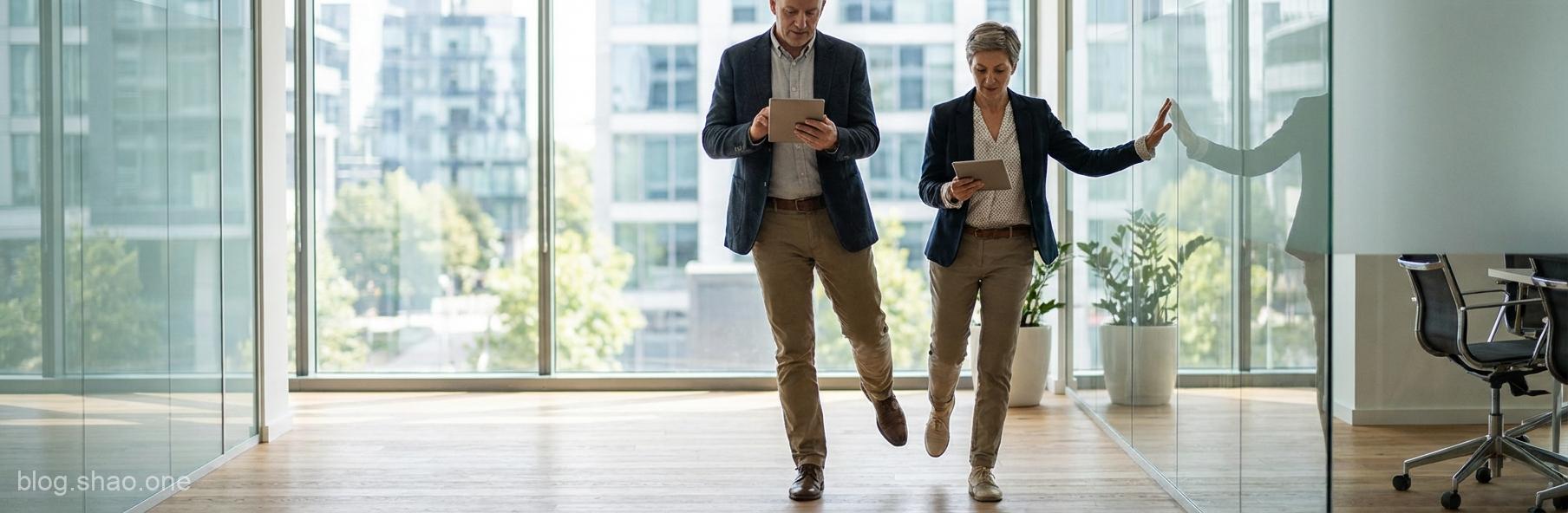
- Single-Leg Stand: Switch legs while standing and brushing your teeth. This is like performing background system debugging, allowing the body to find its center of gravity again.
- Heel-to-Toe Walk: Imagine you are walking on a tightrope. This effectively activates core muscle groups and the coordination capacity of the cerebellum.
- Sit-to-Stand Practice: Stand up from a chair without relying on hand support. This is the best way to train lower limb explosiveness and stability.
💡 Tech Observer Commentary: Why is ‘Balance’ the next wave of digital health?
As a tech news curator, I see not just exercise advice, but a trend in the development of ‘health datafication.’ Why is this news of significant importance?
- Evolution of Wearable Devices: Current Apple Watches and various smartwatches have long gone beyond just counting steps. Their ‘fall detection’ and ‘walking steadiness’ tracking are essentially monitoring the user’s balance state through sensors (accelerometers and gyroscopes). This news reminds us that active practice can complement passive monitoring.
- The Rise of Longevity Tech: One of the current investment hotspots in Silicon Valley is ‘Longevity.’ However, expensive NMN drugs or biohacking technologies may not be as important as ‘not falling.’ For AgeTech, enhancing the user’s proprioception is the most guaranteed investment to reduce medical expenses.
- Prevention is Better than Cure: In the tech field, we often say that Predictive Maintenance can save a lot of repair costs. The human body is the same; a few minutes of practice daily is like regularly updating a firewall to prevent catastrophic system crashes in the future.
🛠️ Practical Suggestions: How to incorporate this into your ‘minimalist life algorithm’?
We often say, ‘To do a good job, one must first sharpen one’s tools.‘ To live long and with quality in the digital age, you cannot leave your physical balance to chance. You don’t need to check into the gym for two hours; just practice standing on one leg while waiting for coffee, compiling code, or during gaps in video conferences.This type of exercise has a cumulative effect. As mentioned in the report, these movements may seem simple, but they can substantially reduce the risk of falling, which is the best insurance against the muscle mass and reaction speed that gradually decline with age.
🏁 Conclusion: Tall buildings rise from the ground; stability is the ultimate truth
In this era of chasing ‘speed,’ we often run too fast and forget how to stand firm. Although this report from ‘Fit&Well’ has a very lifestyle-oriented starting point, the underlying health philosophy and tech monitoring trends are very profound. Don’t wait until a ‘Bug’ appears in your body to think about fixing it; starting today, give yourself a few minutes to recalibrate your sense of balance.After all, no matter how advanced your smart home is or how smart your AI assistant is, if your ‘biological base’ is unstable, all technological enjoyment will be a castle in the air. Let’s make this small change together to achieve a more stable future!”