“
Modern People’s ‘Ice and Fire’: Is Cold Water Therapy Really Magical?
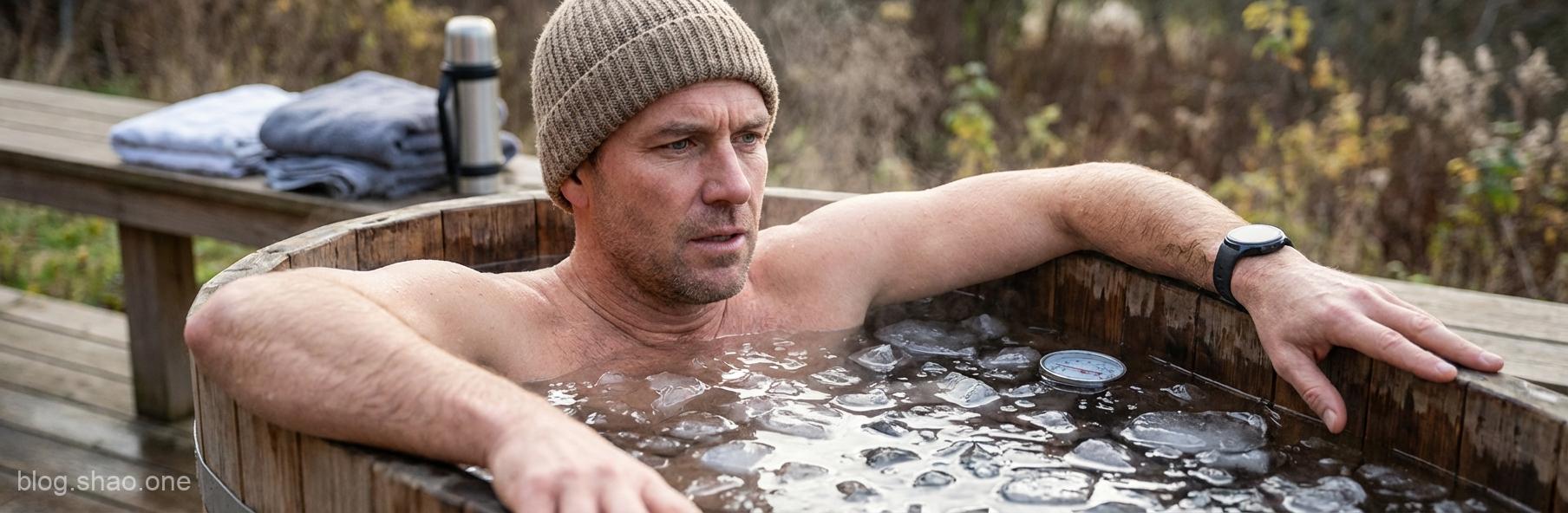
In this era of rapid technological development and a life pace so fast it leaves people ‘breathless,’ everyone is going to great lengths to relieve stress. From using wearable devices to monitor sleep to various biohacking techniques, everyone is pursuing so-called ‘maximum efficiency.’ Recently, a study published on Earth.com sparked widespread discussion, focusing on the ‘Cold Water Therapy’ that has become incredibly popular in recent years.You might have seen it on Instagram or YouTube: those influencers or athletes jumping into bathtubs full of ice cubes, making exaggerated faces, yet afterward claiming they feel ‘completely refreshed.’ Is this real, or just a ‘trend’ people are following? Let’s see what scientists have to say.
Scientific Evidence: More Than Just a ‘Psychological Effect’
According to the latest comprehensive review research, cold water therapy does indeed provide certain physiological benefits to the human body and is not entirely a ‘psychological effect.’ Research indicates that this intense cold stimulation can trigger a chain reaction in the body:
- Stress Management: When the body contacts ice water, it releases norepinephrine and dopamine. This not only ‘refreshes your mind’ instantly but also enhances the body’s tolerance to stress over the long term, making you feel more ‘composed’ when facing work challenges.
- Improved Sleep Quality: Although it sounds contradictory (won’t a cold shower wake you up?), research has found that the process of body temperature rebounding after a cold shower helps induce deep sleep, so you’re no longer ‘tossing and turning’ in bed.
- Muscle Recovery: For friends who love fitness, ice baths have long been ‘commonplace.’ They can effectively reduce muscle inflammatory responses, preventing you from having ‘iron legs’ that make it hard to walk the next day.
Expert Reminder: Don’t Think It’s a ‘Permanent Fix’
While cold water therapy has many benefits, researchers also throw a bucket of cold water on the idea: these magical effects are often ‘fleeting.’Research shows that the psychological pleasure and physiological responses brought by cold water diminish rapidly after leaving the water. While some long-term practitioners report becoming healthier and having fewer colds, the scientific evidence for this part is still in the ‘he said, she said’ stage and requires more long-term clinical data for support. In short, cold water therapy is a great auxiliary tool, but if you expect it to be a ‘one-dose cure’ for everything, you might be dreaming.
Technology Perspective: When Low Temperature Meets Big Data
As technology enthusiasts, we can’t just look at water temperature. Today’s ‘Precision Wellness’ is all about data. Many smartwatches on the market (such as Apple Watch, Garmin) or smart rings (such as Oura Ring) can already accurately monitor HRV (Heart Rate Variability) and resting heart rate. Through these technological tools, users can clearly see the data changes before and after a cold shower.The significance of this lies in:1. Quantifying Feelings: Previously, we could only go by feeling, saying ‘I seem more relaxed.’ Now, through data, we can confirm whether cold showers truly lowered our stress index.2. Personalized Adjustments: Everyone’s body tolerance is different; some can’t stand it after 30 seconds, while others can soak for 5 minutes. Technology can help us find the most ‘cost-effective’ investment timing to achieve the best ‘CP value’.
Editor’s Note: Try New Tech, but Act Within Your Means
Although cold water therapy has its scientific grounds, I still want to remind all ‘netizens’—don’t ‘tough it out’ just to challenge your limits. If you have cardiovascular disease, suddenly trying such extreme low temperatures is essentially ‘gambling with your life.’In this era of information explosion, we encounter various novel wellness ‘black techs.’ The most important thing is to maintain an ‘experimental spirit’ but ‘act with caution.’ Cold water therapy is like a double-edged sword: used well, it can ‘kill two birds with one stone,’ both relieving stress and aiding sleep; used poorly, it may have the opposite effect.To summarize:If you’ve recently felt so stressed that you’re ‘questioning life,’ why not start with your showerhead at home? Try adding a 30-second cold rinse at the end of your shower. You might find that this ‘low-tech’ method, which doesn’t cost much, is exactly the key to improving your quality of life!”