“
Foreword: The Flu is Here, and This Time It’s a Big Deal!
Hello to all tech enthusiasts and digital nomads! Usually, we care about computing power, chips, and generative AI, but today we’re talking about a threat even more troublesome than computer viruses—’real-world viruses.’According to the latest report from WBUR, Massachusetts is embroiled in a tough battle. This year’s flu season has not only arrived early but is also aggressive, essentially ‘not playing by the rules.’ Everyone thought there was still time to prepare, but surprisingly, the virus ‘speeded up’ its arrival, hitting a full month earlier than last year’s peak. For an already strained healthcare system, this is undoubtedly adding fuel to the fire.
Epidemic Brief: Shocking Flu Data in Massachusetts
According to current official data, flu activity in Massachusetts has reached ‘extremely high and continuing to rise’ levels. Here are the key points requiring high attention:
- Heavy Casualties: At least 30 people have died from flu-related illnesses this season, including 3 children. This is definitely no joke; these numbers are enough to make anyone ‘shiver with fear.’
- Hospitalization Surge: Over the past few weeks, the rate of flu-related hospitalizations has rebounded significantly. This isn’t a slow climb; it’s a ‘vertical takeoff.’
- Early Timeline: Compared to the epidemic curves of previous years, this year’s virus clearly wants to be the ‘early bird,’ catching epidemic prevention units off guard.
Tech Review: When Epidemiology Meets Big Data, What Can We Do?
As members of the tech community, we cannot just look at cold casualty numbers; we must also think: Why, when we have top-tier data analysis tools, are we still ‘caught off guard’ by the virus?
1. Challenges in Predictive Modeling: Can AI Prepare for a Rainy Day?
Although current public health monitoring systems are digitized, there is still room for improvement in predicting ‘seasonal shifts.’ If we could use more sophisticated AI algorithms, combined with climate data, traffic volume, and ‘symptom keywords’ from social media to make predictions, perhaps we could take preemptive action before the virus does. This isn’t just a public health issue; it’s a major test for the field of machine learning.
2. Telemedicine as a ‘Timely Rain’
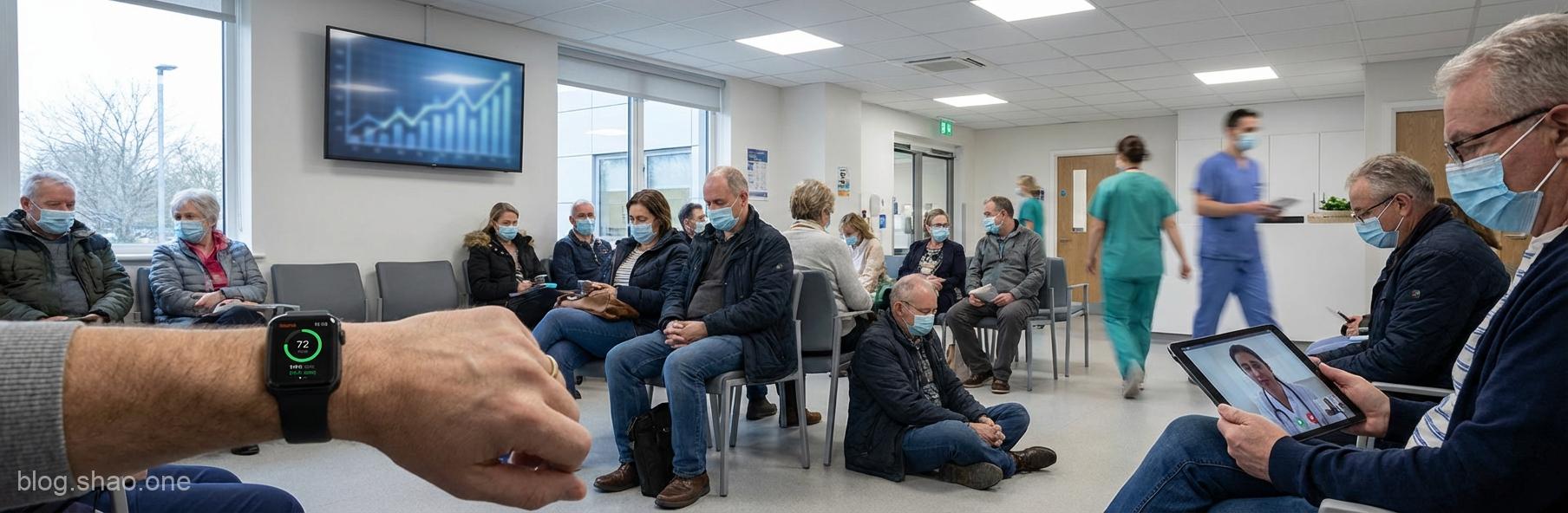
During such a flu pandemic, hospital emergency rooms are usually packed to the brim. This is where the importance of telemedicine platforms becomes evident. Consulting with a doctor via video call not only avoids cross-infection in hospitals but also enables effective triaging. In Taiwan, we are already used to various digital services; we should promote this ‘doctor’s visit without leaving home’ technology even more so that things don’t fall into chaos during an outbreak.
3. Wearables: Your Watch Might Know You Have a Cold Before You Do
Modern Apple Watches or Garmins feature heart rate variability (HRV) and body temperature monitoring. Many tech enthusiasts have found that before symptoms clearly appear, the watch data often ‘alerts’ them first. This personalized data monitoring is the front line of health protection through technology. When the data shows abnormalities, you should be a bit more serious, rest properly, and stop pushing yourself to work.
‘Antivirus Recommendations’ for Readers: A Techie’s Epidemic Survival Guide
Facing this powerful flu wave, we cannot just ‘sit and wait for the end.’ Here are a few suggestions:
- Vaccination: This is currently recognized as the most effective protective measure. Don’t think you can be careless just because you are young and strong; the flu virus doesn’t care about your feelings.
- Utilize Health Apps: Record your physical data. If you notice an abnormal rise in your resting heart rate, be alert that your body might be fighting off a virus.
- Digital Office: If your company supports Remote Work, try to minimize physical gatherings during peak flu season. This isn’t just about protecting yourself; it’s also about ‘lightening the load’ for the healthcare system.
Conclusion: Don’t Let ‘Technology’ Lose to ‘Biology’
This outbreak in Massachusetts is a warning, reminding us that while we pursue AI innovation, investment in biosafety and public health technology cannot be neglected. Facing a ‘surprise attack’ from a virus, we must demonstrate the resilience of tech professionals, using digital tools for self-management so as not to be overwhelmed by the flu wave.Everyone, physical health is the only ‘core strength.’ I hope everyone passes through this flu season safely; don’t give the virus a chance to ‘hack’ your body!
This article was compiled by the Tech Outpost editorial team, continuously tracking the intersection of global technology and health for you.“