“
⚠️ Sweet Trap: When "Healthy Sugar Substitutes" Become "Vascular Killers"
Tech geeks, wellness gurus, and all you zero-calorie cola addicts—put down your drinks and listen up! We often say "technology changes life," but in the world of food tech, some changes might make you "scare yourself silly."A recent study published on Earth.com delivers a harsh wake-up call for those pursuing a "sugar-free lifestyle." The research reveals that erythritol—a sugar substitute widely used in low-calorie foods—shows a direct and significant link to heart disease and stroke risk. This is no joke—it's a serious matter!
🔍 In-Depth Analysis: Why Does Erythritol "Fall Short"?
Erythritol has long been regarded as the "model student" among sugar substitutes, as it contains almost no calories and does not cause blood sugar spikes, making it a favorite among those following ketogenic diets or pursuing weight loss. However, this latest research has uncovered its little-known dark side.Scientists discovered that after consuming this sweetener, xylitol levels in the blood rapidly increase, exerting the following "devastating" effects on the cardiovascular system:
- Vascular Cells Under Stress: Research indicates that erythritol induces oxidative stress in cerebral vascular cells, placing them on the brink of damage.
- Defense System "Disconnection": It significantly reduces nitric oxide (NO) levels in the body. It's crucial to understand that nitric oxide is vital for maintaining vascular elasticity and protecting the heart. Without it, blood vessels become like old, stiff pipes—prone to failure at any moment.
- Thrombosis Alarm Sounds Loud: The most alarming aspect is that erythritol interferes with the body's natural "thrombolysis" signals. Simply put, it not only makes blood more prone to clotting but also shuts down the body's inherent "cleaning function," significantly increasing the risk of myocardial infarction and stroke.
🛒 It's everywhere: It's right beside us.
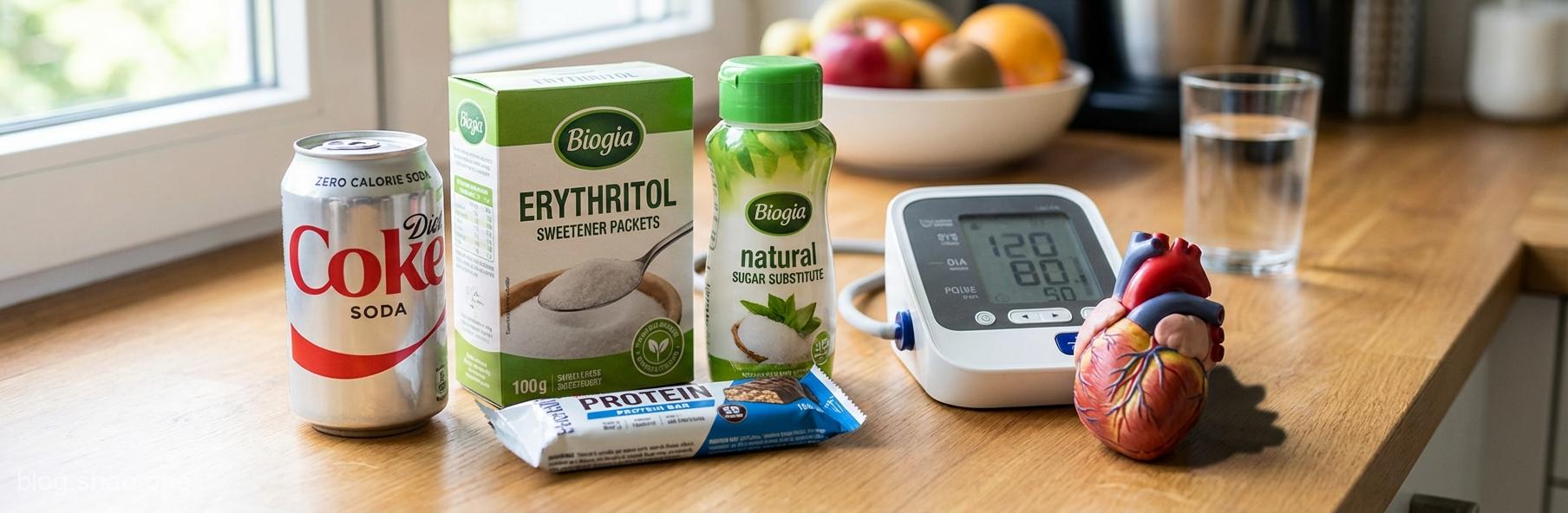
This discovery is truly "heart-stopping" because erythritol's permeability is simply too high.From sugar-free sparkling water and high-protein bars readily available at convenience stores, to zero-calorie desserts in supermarkets, and even the toothpaste you use every morning—it could be lurking in all these products. This ingredient touts itself as "purely natural extract" and "gentle on the body," yet it turns out to be a "sugar-coated poison." As a result, countless consumers pursuing health are instead being led astray.This raises a serious question: When modern food technology introduces new innovations, does it truly conduct rigorous long-term safety assessments? Or does it selectively overlook potential risks to cater to the market's craving for "zero burden"?
💡 Tech Curator's Musings: The Double-Edged Sword of Biotechnology
As a tech news observer, I believe this incident offers a significant lesson: "Natural does not mean harmless, and sugar-free does not mean healthy."In the tech world, we often see hardware devices recalled due to defects, but "bugs" in food technology often require years or even decades of observation to be discovered. The case of erythritol exemplifies the phenomenon of "science outpacing health."When we over-rely on synthetic substitutes to satisfy biological desires—like cravings for sweetness—we often overlook the inherent logic of the human body's intricate machinery. The body's physiological mechanisms sometimes simply don't mesh with these foreign chemicals, and forcing intervention often proves counterproductive.
🚩 Conclusion and Recommendations: Returning to nature is the ultimate solution.
This study does not advocate for everyone to completely "give up sweets," but rather serves as a reminder to exercise greater caution when selecting foods. For individuals with pre-existing cardiovascular issues or those in high-risk groups, this news is undoubtedly a critical warning.Here are a few suggestions for our readers:1. Learn to read ingredient lists: Don't just focus on the big "sugar-free" label—check carefully for "Erythritol" or "erythritol" listed in the ingredients.2. Reduce overreliance on artificial sweeteners: Gradually adjust your taste preferences to decrease dependence on sweetness. Rather than seeking substitutes, quitting sugar altogether is the most fundamental solution.3. Drink plenty of plain water: Though it sounds like an old chestnut, water remains the beverage your body tolerates best and is least likely to cause problems.In short, when it comes to health, there really is no shortcut. Rather than hoping technology will let us eat and drink without restraint, we'd be better off sticking to whole, unprocessed foods. After all, we only have one body. If it breaks down, even the most advanced technology can't fully fix it. Everyone really needs to take care of themselves!”