“
Tech Foreword: When "Technology" Meets the "Kingpin of Drug Lords"
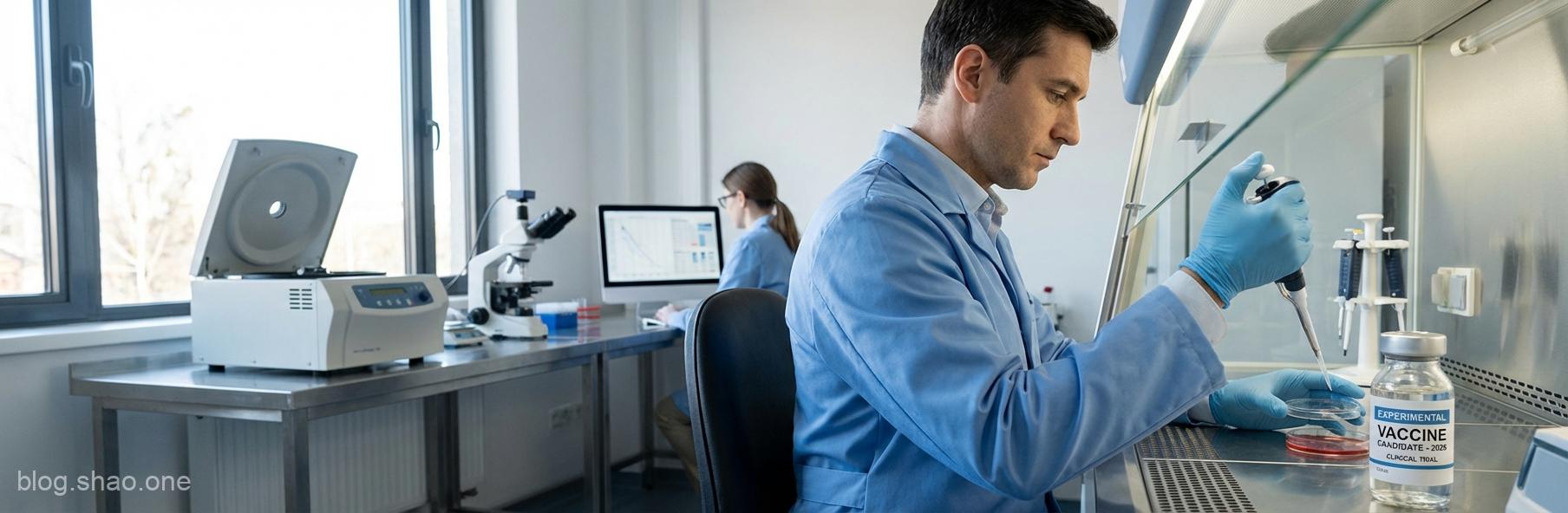
As the saying goes, "Prevention is better than cure." On the modern battlefield of public health, scientists are giving this adage entirely new meaning. Faced with the global fentanyl addiction crisis—a scourge that strikes fear into hearts—the medical community has long operated in reactive mode, treating symptoms rather than root causes.However, Live Science recently reported a breakthrough that has left both the tech and medical communities stunned: the world's first fentanyl vaccine is set to enter human clinical trials in 2026. This unprecedented move in medical history could become the timely solution to end the drug abuse crisis.
How It Works: Putting a "Bulletproof Vest" on Your Brain
This vaccine operates not by combating viruses like traditional vaccines, but by treating drug molecules as "foreign invaders." Here is the core mechanism of this cutting-edge technology:
- Antibody Interception Mechanism: The vaccine stimulates the human immune system to produce specific antibodies that target fentanyl molecules.
- Blocking the Blood-Brain Barrier: When a user ingests fentanyl, antibodies in the blood rapidly bind to it, causing the drug molecules to become too large to cross the blood-brain barrier.
- Eliminating "Pleasure" and "Danger": Since the drug cannot enter the brain, addicts will not experience the euphoria (high) after consumption. More importantly, it prevents the drug from suppressing the respiratory center, fundamentally avoiding suffocation and death caused by overdose.
Tech Commentary: Panacea or Pipe Dream?
The emergence of this technology undoubtedly serves as a guiding light for those trapped in the quagmire of drug addiction. From a sociological perspective on technology, this invention holds extraordinary significance:
- Shifting from "Treatment" to "Prevention": Traditional addiction treatment has largely relied on substitution therapies (such as methadone), which often amounts to merely shifting the problem from one area to another. Vaccines, however, take a proactive approach by rendering drugs ineffective within the body, truly achieving the goal of "cutting the weeds at the root."
- Reducing social costs: The social burden caused by drug abuse is enormous. If vaccines can reduce relapse rates, the contribution to public health would be a significant boost.
- The Tug-of-War Between Ethics and Reality: Despite the excitement surrounding the technology, the 2026 human trials represent only the first step. Could such vaccines foster a "nothing can kill me" mentality among recipients, tempting them to experiment with even more dangerous substances? This remains a challenge scientists and sociologists must confront together.
Clinical Outlook: Everything is ready; all that's needed is the east wind.
This vaccine has demonstrated outstanding performance in animal trials, effectively blocking addiction while exhibiting minimal side effects. The research team aims to complete all regulatory approvals within the next two years, striving to administer the first doses to human subjects by 2026. For regions currently grappling with the opioid crisis, this development is undoubtedly a "godsend."However, we must maintain cautious optimism. Scientific research is never achieved overnight; from clinical trials to formal market approval, it still requires rigorous testing. Yet it is undeniable that this technology has opened a new chapter in addiction medicine.
Conclusion: The Warm Radiance of Technology
In this era where artificial intelligence and space exploration advance hand in hand, we sometimes overlook the down-to-earth technologies that address humanity's deepest suffering. The development of the fentanyl vaccine shows us that technology is not merely cold, hard data—it can be a lifeline that transforms those who have lost their way. While widespread adoption remains a journey ahead, at least we now glimpse the light at the end of the tunnel.Regarding this "addiction vaccine," are you hopeful or skeptical? As we navigate this challenging initial phase, let's keep a close eye on its clinical performance in 2026, hoping this technology will truly become a "protective amulet" that saves countless families.”