“
Foreword: Not just cold air—a stronger "biological bug" is coming.
Hey there, tech geeks, office workers, and all health-conscious readers—how's everyone holding up lately? While you're still hustling to finalize your 2025 plans or just catching your breath after New Year's celebrations and holiday binges, an unwelcome guest has quietly "updated" its attack code.According to the latest reports from 6abc Philadelphia and multiple international media outlets, this year's flu season (Flu Season 2025) is no joke. A new variant dubbed Subclade K, nicknamed "Super K," is sweeping across the United States with lightning speed and shows signs of spreading globally.If you think this is just a common cold, you couldn't be more wrong. The speed at which this outbreak is spreading is as fast as a fiber-optic network upgrade, leaving many medical experts utterly stunned. Today, we'll break down what makes this Super K so formidable and how we should tackle this tough battle in our technologically advanced world.
1. What is "Super K"? What's the big deal about this Subclade K?
In the world of viruses, evolution resembles software version iterations. This year's dominant virus strain has mutated to produce a new branch named Subclade K. The medical community has given it a formidable name—Super K.
- Evolutionary Characteristics: Super K exhibits exceptional transmissibility, seemingly exploiting a "zero-day vulnerability" in the human immune system to penetrate cells more efficiently.
- Data Alert: According to WPVI-TV in Philadelphia, infections during this wave have snowballed, especially after holiday gatherings, with the infection curve skyrocketing.
The author's perspective: This is akin to a system update forced through without testing. While viruses mutate to survive, for the functioning of human society, it's nothing short of a major crash. This also reminds us that the pace of viral evolution sometimes far outstrips the vaccine development cycle—precisely the greatest challenge facing public health today.
2. Symptoms strike fast, hard, and accurately: catching the healthcare system off guard.
What makes Super K truly terrifying isn't its fatality rate (still under monitoring), but the sheer speed at which it strikes. While past flu strains might give you days to prepare, gradually wearing you down, Super K operates on a blitzkrieg strategy.
- Onset is extremely rapid: Many patients report feeling perfectly fine when leaving home in the morning, only to experience sudden high fever and full-body aches by afternoon—so fast it makes you question reality.
- Typical symptoms: Severe coughing, extreme throat discomfort, and muscle aches as if hit by a truck.
- Chain Reaction: Due to the rapid onset of illness, a large influx of patients flooded emergency rooms within a short period, subjecting healthcare capacity to a "stress test."
Author's Perspective: In this efficiency-driven era, even the flu is evolving. Its "fast, fierce, and precise" nature is most likely to cause social panic. For office workers, this means you might collapse on the couch before you've even finished writing your sick leave note. Everyone must truly heighten their vigilance and abandon the complacent attitude of "it's just a cold, no big deal."
3. Are festive gatherings becoming "giant petri dishes"?
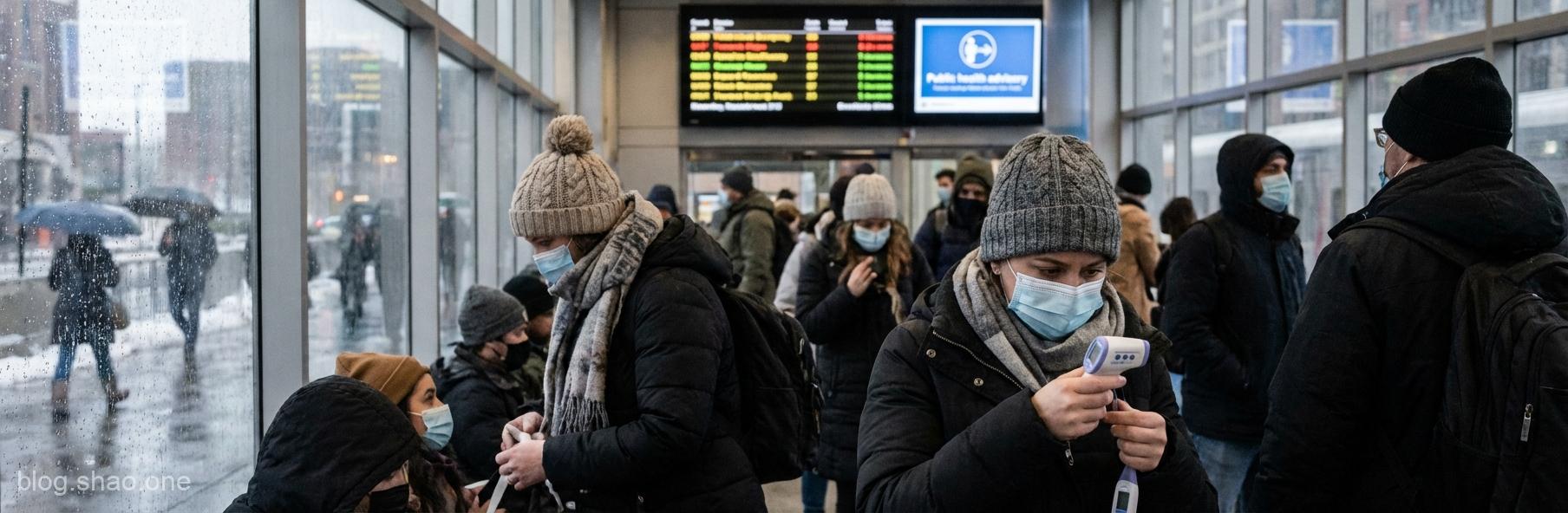
The report indicates that this surge in Super K cases coincided with the year-end holiday period. Gatherings in enclosed indoor spaces, coupled with festive cheer, led to lowered vigilance—masks were neglected, and frequent handwashing became an afterthought.
- Social transmission: If just one person at a gathering carries Subclade K, transmission occurs almost without fail in unprotected settings—its efficiency is astonishingly high.
- Cross-regional movement: As tourists travel between cities, the virus spreads rapidly, making epidemic prevention efforts precarious.
The author's perspective: Festivals embody the warmth of human connection, but to viruses, they represent "high-density transmission environments." While enjoying life, striking a balance between technology and health—such as using wearable devices to monitor temperature and blood oxygen levels—has become a necessary lesson for every modern individual.
4. A Quick Guide to Pandemic Prevention for Readers: How Should We Respond?
With Super K already at our doorstep, we cannot afford to sit idly by. Beyond traditional epidemic prevention measures, leveraging technological capabilities is also crucial:
- Vaccination: Although the virus mutates rapidly, existing vaccines still offer a degree of cross-protection, at least reducing the risk of severe illness. Don't be stubborn.
- Tech Monitoring: If you own an Apple Watch or Garmin, pay close attention to your "resting heart rate" and "body temperature changes" in the coming days. Often, your device's alerts will detect potential health issues earlier than your own subjective feelings.
- Environmental Hygiene: Always carry hand sanitizer with you. The first thing you should do when you get home is wipe down your phone. Don't forget—the number of bacteria on your phone screen might be higher than on a toilet seat!
- Know when to call it quits: If you feel even the slightest twinge of illness, immediately rest at home. Don't push yourself to "work overtime" or "attend social engagements," lest one person gets sick and the entire team ends up in quarantine.
Conclusion: Stay resilient and weather the winter.
In summary, the threat posed by the Super K flu wave in 2025 should not be underestimated. This is not merely a physical battle, but a test of personal hygiene awareness and social responsibility. In today's rapidly advancing technological landscape, while we possess superior diagnostic tools and faster information dissemination, the most fundamental defense still lies in each individual's self-awareness.Facing the rapidly spreading Super K variant, remember to stay hydrated and get plenty of sleep to keep your immune system running at peak performance. Don't let this little Subclade K ruin your start to 2025! Readers, take good care of yourselves—see you next time in Tech Health Report!”