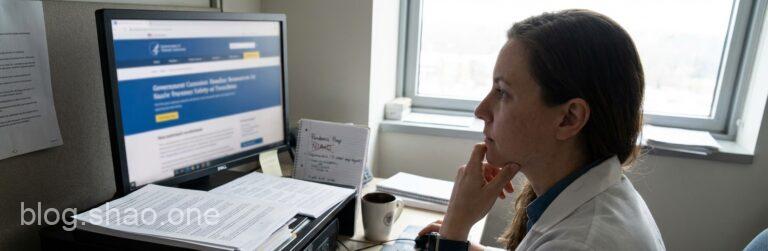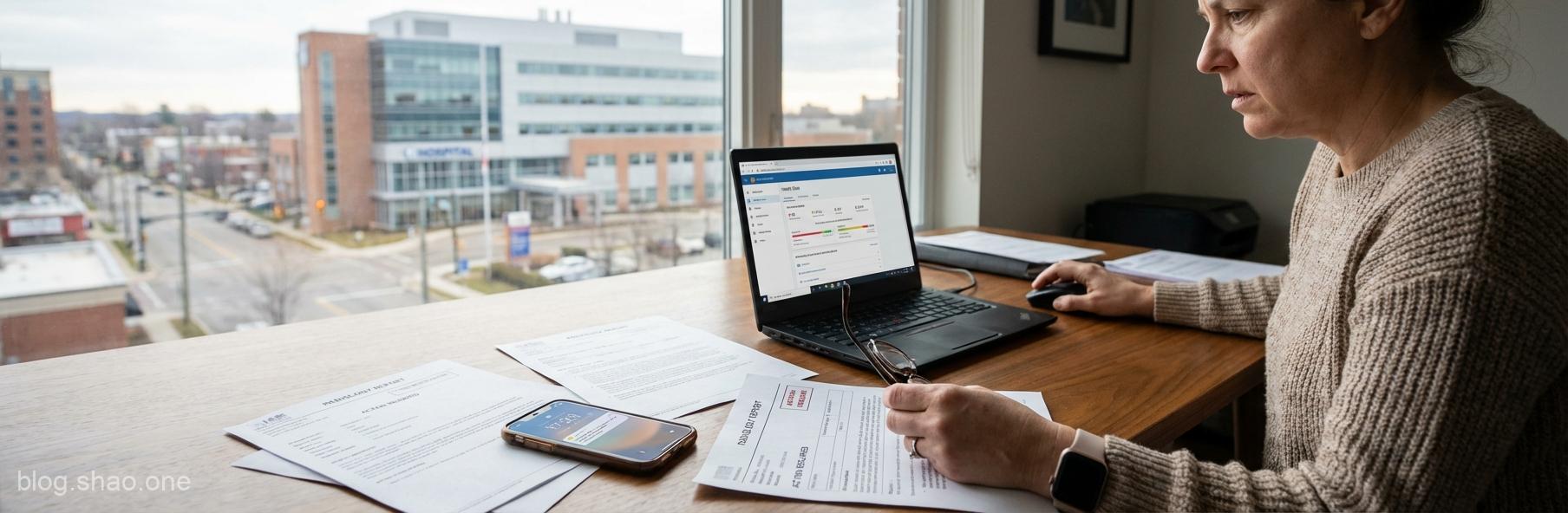
“Hello, tech geeks and health enthusiasts! Today we're diving into a topic that might send a chill down your spine. In this era of rapidly advancing medical technology, we often assume that stepping into a major hospital and booking an appointment with a renowned specialist is like entering a safe haven. But according to a recent in-depth report by HuffPost, the reality might be "quite different" from what we imagine.This article titled "If I Had Listened to My Doctor Back Then, I Would Be Dead Now" recounts a patient's harrowing journey after being diagnosed with a tumor in the spring of 2020, during the height of the pandemic.Despite the radiology report clearly labeling the tumor "of concern," her doctor casually dismissed it as "not urgent." Worse still, the physician scheduled the patient to wait indefinitely—even though the patient was facing life-or-death circumstances—because the doctor was taking a two-week vacation and had a fully booked schedule. This isn't some soap opera plot; it's a stark reality of a healthcare system where the screws have come loose.As a technology news commentator, I believe this story offers three profound insights, particularly at the intersection of "HealthTech" and "patient empowerment":
1. The "Blind Spots" in Healthcare: Doctors Are Human, Not Gods
We often say that "doctors save lives, their merits are immeasurable," but this article cuts to the core: doctors are human too. They get tired, they make mistakes, and they can even "miss the mark" due to the commercial operations of clinics.* Technological Significance: This is why "AI-assisted diagnosis" is so crucial. AI never loses focus because it's planning a vacation, nor does it suffer from visual fatigue after a full day of consultations. When human physicians may falter due to unexpected personal factors, AI serves as the most impartial "second opinion."
2. "Data Democratization": Take control of your own destiny.
The protagonist in this article survived against all odds because she refused to resign herself to fate and instead took proactive steps to investigate her own medical records. In the past, medical records were treated like "state secrets," making it difficult for patients to even glance at their own files. But today, through electronic health record systems and cloud platforms, patients have gained unprecedented control over their own data.* Technological Significance: Blockchain and cloud access technologies are breaking down information silos within healthcare systems. If your test results could sync instantly to your mobile app and automated tools alerted you to "abnormal indicators," you wouldn't have to wait anxiously for your doctor's call until your eyes grow weary.
3. When telemedicine and automated processes are introduced
The report mentioned that doctors delayed treatment due to "full schedules," a common occurrence in traditional outpatient systems. However, in the wave of digital transformation, such situations should have been avoided.* Technological Significance: Through intelligent scheduling algorithms and telemedicine, urgent cases should be automatically flagged and prioritized. If the system detects the phrase "of concern," it should automatically trigger a referral mechanism, rather than leaving patients to wander aimlessly through hospital corridors.
💡 Featured Review: How Can Technology Bridge the Gap in Humanity?
This story resonates deeply with me because it reflects the most crucial mission of modern technology: tolerance for error and empowerment. Here are several key points for analysis:
- Prevention is better than cure, and monitoring is better than guessing: Long-term data collected by wearable devices (such as Apple Watch or various health trackers) can provide a more comprehensive physiological profile than a single clinic visit. When your doctor says you're "fine" but the data indicates "something's wrong," you'll have the confidence to stand your ground.
- AI is not meant to replace doctors: We should not expect AI to replace that compassionate heart of a physician, but we absolutely need AI to fill the gaps in human senses and administrative processes. When doctors are so overwhelmed they become "unapproachable" or are stretched too thin, the digital fuse must activate.
- The Awakening of Patient Agency: By accessing medical knowledge and personal data through technology, patients are no longer "sheep led to slaughter" but become stewards of their own health management. This embodies the principle that "technology ultimately stems from humanity"—to compensate for human frailties, technology must become more powerful.
Closing Remarks: Don't Let Your Health Take a Long Vacation
After reading this article, we shouldn't despair about the healthcare system—instead, we should learn to be "smart patients." With today's abundance of technological tools, we have more weapons to protect our lives. Remember, doctors may take vacations, but your health management never takes a break. Next time you feel something's off, make good use of the tech tools at your fingertips and bravely voice your concerns—because when it comes to your life, you really have to save yourself!Have you ever had a similar experience of "battling" with hospitals? Or what technology do you think could best resolve such medical errors? Feel free to share your thoughts in the comments below!“