“
Introduction: Signs of a Brewing Storm – A Major Shift in Epidemic Prevention Strategy?
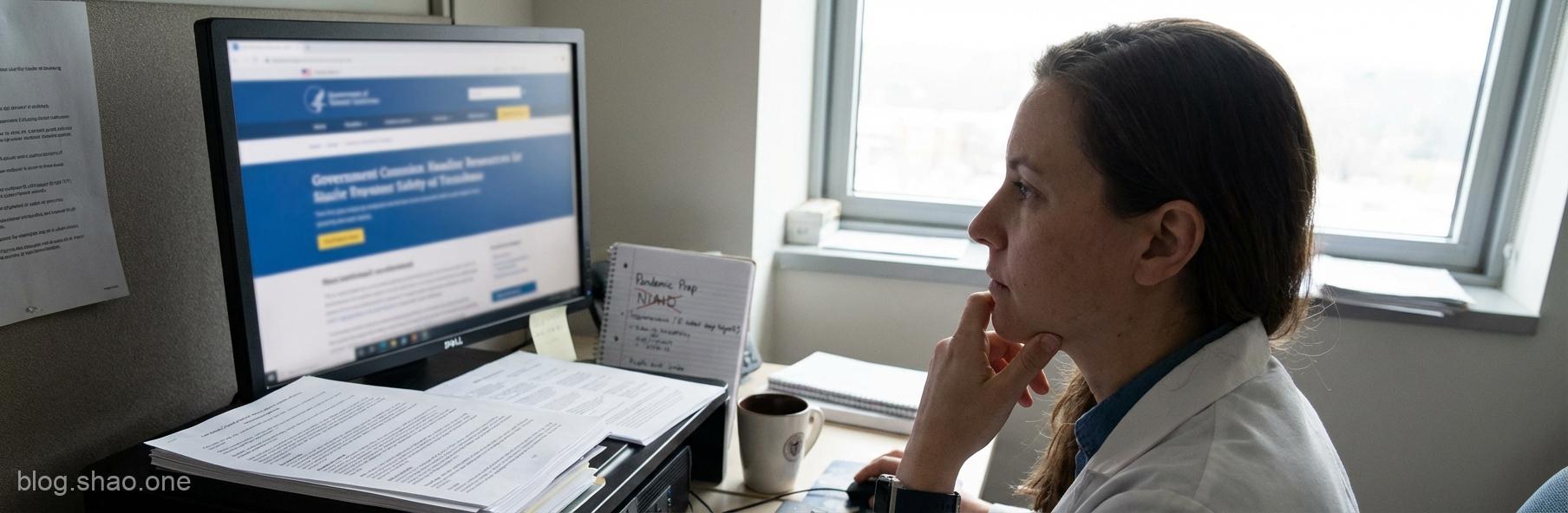
Hello to all technology and biomedical enthusiasts. Do you remember a few years ago when COVID-19 swept the globe, those days when we stared at infection data daily and scrambled for masks and vaccines? At that time, the National Institute of Allergy and Infectious Diseases (NIAID) was viewed almost like a guardian shield for global public health, leading the world in what was called proactive deployment.However, according to an exclusive investigative report recently published by the journal Nature, this iconic leader in epidemic prevention seems to be undergoing a shocking internal reshuffle. NIAID employees received instructions to remove keywords such as Pandemic Preparation and Biodefense from the agency’s official website and promotional materials. While everyone is still worrying about when the next wave of the pandemic might strike, this decision has undoubtedly dropped a bombshell in the scientific community.
Core News: Website Spring Cleaning – Why Have Keywords Become an Eyesore?
According to reports, this change is not a simple website update but involves adjustments to the agency’s core mission. Here are several key revelations from this event:
- Disappearing Terms: Employees were explicitly told to scrub content related to pandemic response; even the term Biodefense, which has been promoted for years, has become a sensitive phrase.
- The Future of High-Containment Labs: NIAID funds several of the world’s top Biosafety Level 4 (BSL-4) laboratories, which specialize in researching viruses with extremely high mortality rates. Now that the strategy has shifted, the positioning of this high-risk research has become awkward.
- Pressure from Administrative Directives: Although officials have not explicitly stated the reason, internal reports suggest this may be related to avoiding political controversy and shifting budget priorities.
For observers who have been tracking public health technology, this is a total bolt from the blue, leaving everyone scratching their heads.
In-depth Analysis: Simplification or Burying One’s Head in the Sand?
We often say that epidemic prevention work must be planned for a rainy day; after all, viruses won’t wait for us to be ready before attacking. This move by NIAID has sparked intense discussion in the scientific community, which can be summarized in the following points:
1. A Safe Harbor Strategy for Political Winds?
In recent years, debates regarding the origins of viruses and the safety of BSL-4 labs have been rampant in American politics. This move by NIAID is interpreted by some as downplaying the issue, attempting to reduce congressional scrutiny by softening labels. However, if scientific research is not transparent and public, it often triggers more suspicion, making the public feel there is something fishy going on behind the scenes.
2. Reshuffling of Budget Allocation
As the saying goes, a single penny can break a hero – the direction of research funding often determines technological development for the next decade. If NIAID no longer lists pandemic preparedness as its top priority, will resources shift to basic immunology research or other chronic diseases? In a situation of limited resources, this might be a systemic self-adjustment, but in the era of globalization, abandoning the defense against infectious diseases carries immense risk.
3. A Blow to Scientific Morale
For scientists who have spent years on the front lines in laboratories researching Ebola or coronaviruses, this is undoubtedly a wake-up call. When their research is no longer categorized as a core mission, the drain of talent and the interruption of research will be an irreversible loss.
Tech Notes: Why Does This Matter to the General Public?
You might think this is just a government agency across the ocean changing its website—what does it have to do with us? In fact, it has a lot to do with us:
- Chain Reaction in the Global Epidemic Prevention System: The U.S. NIAID is one of the primary sources of global research funding. If they pull back, holes may appear in the global biodefense network.
- Stagnation in New Technology R&D: Many breakthroughs in mRNA vaccine technology or antiviral drugs originated from preliminary research on pandemics. If this goal is no longer emphasized, the output speed of future medical black technologies might slow down.
- Concerns Over Lack of Transparency: When government agencies begin to embellish their wording, the integrity and transparency that the scientific community values most come into question. This is a clear case of hitting a brick wall and serves as a negative example for promoting public scientific awareness.
Conclusion: Don’t Let All is Well Become an Excuse for Relaxing Vigilance
As the proverb goes: In times of peace, prepare for danger; preparation averts peril. Although we all hope there will never be another pandemic, NIAID’s current strategic shift is indeed unsettling. Science should not serve politics, and it certainly should not rush to dismantle the alarm system while the crisis is still ongoing.As technology enthusiasts, we should continue to monitor the true intentions behind these decisions. Is this a matter of decluttering to integrate resources, or an ostrich mentality when facing difficulties? Time will ultimately give us the answer. But until then, we can only pray that before the next storm strikes, the fortress of science remains solid, rather than being reduced to whitewashed text on an official website.What do you think of NIAID’s major move? Feel free to share your views in the comments section!“