Tech Sentinels: How Wastewater Monitoring Becomes a Tool for ‘Proactive Deployment’ in Epidemic Prevention?
Hello to all tech fans and health enthusiasts! The topic we’re discussing today might sound a bit ‘pungent,’ but the data science and public health technology behind it are absolutely the top priorities in current tech-driven epidemic prevention. According to the latest report from the Hays Post, the community of Lawrence, Kansas, recently discovered alarming data in wastewater monitoring: as many as six types of viruses are at high concentration levels simultaneously. This is not just local news; it’s a warning for the global technological epidemic prevention system.
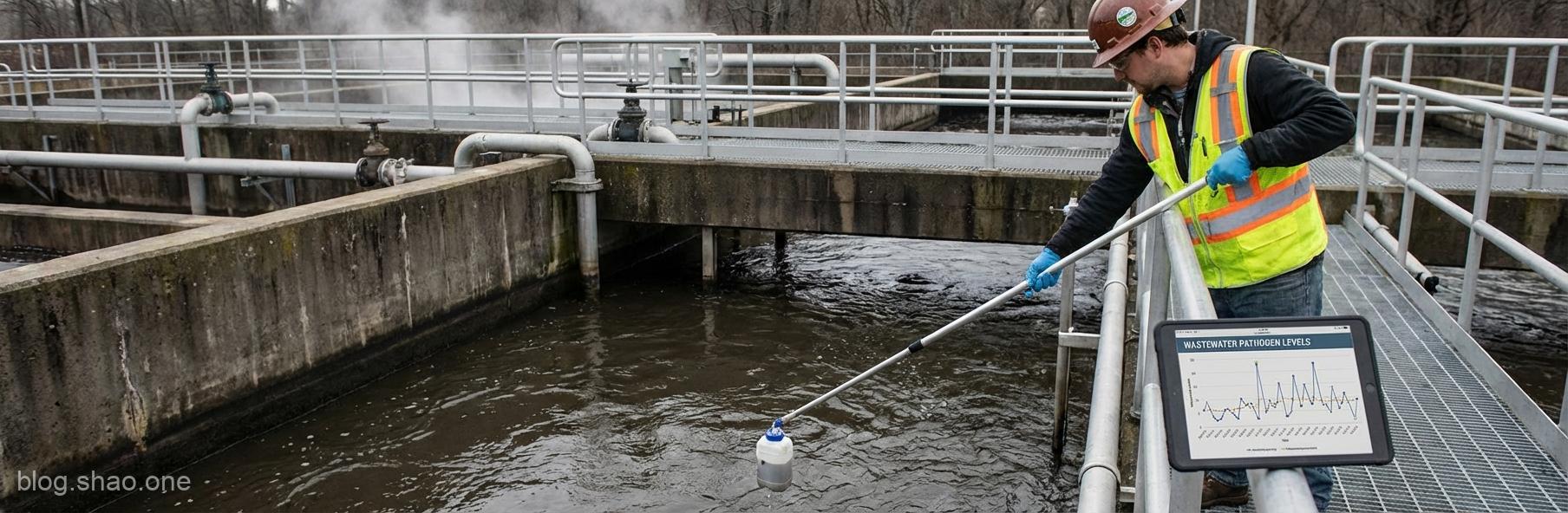
In the past, we only went to the hospital when we were sick, which is called ‘passive monitoring’ in epidemic prevention. But now, scientists use wastewater sampling and genetic sequencing technology to find traces of viruses in the sewers before everyone starts coughing or having runny noses. This ‘proactive deployment’ technology is exactly the most important safety net for us in the post-pandemic era.
Red Alert for the Lawrence Community: Six Major Viruses Gathered Together
According to reports from the Kansas Reflector, wastewater samples from the city of Lawrence show that six viruses, including COVID-19, Flu, and Norovirus, have reached worryingly high levels. This means the local area is at risk of multiple overlapping outbreaks.
- Early Flu Peak: Reports indicate that the local flu outbreak seems to have ‘jumped the gun,’ entering its peak period earlier than in previous years. This is a major alarm for the healthcare system, as hospitals might not be ready to handle a surge of patients before resources are already running low.
- The Threat of Norovirus: In addition to respiratory viruses, the notorious gastroenteritis culprit—norovirus—is also in the mix. This virus is extremely contagious; just a small dose can cause vomiting and diarrhea, essentially meaning ‘if one person gets infected, the whole family is out of commission.’
Data Speaks: Why Wastewater Monitoring Is More Accurate Than Diagnostic Reports?
As a tech media outlet, we must emphasize the technical value behind this. Why is wastewater data more reliable than the number of hospital outpatients?
- Blind-spot-free Coverage: Many people with a cold might just stay at home to sleep and drink hot water instead of going to the hospital for testing. But everyone goes to the bathroom every day, so the wastewater system acts like a ‘universal sensor,’ leaving invisible spreaders with nowhere to hide.
- Time-lag Advantage: Research shows that changes in virus concentrations in wastewater typically occur 4 to 10 days earlier than clinical confirmed cases. This period is the ‘golden window’ for public health units to deploy medications and personnel in advance.
- Multiplex Testing Technology: Current testing instruments can ‘kill two birds with one stone’ by scanning DNA/RNA fragments of multiple pathogens at once, significantly improving monitoring efficiency.
In-depth Analysis: The Intersection of Tech and Life
What insights does this news offer us? First, it proves that big data monitoring is no longer just cold numbers but a tangible tool that can save lives. When we see wastewater reports showing a surge in virus concentrations, it’s a reminder to local residents that they need to ‘tighten the screws’—wear masks in crowded places and remember that frequent handwashing is definitely not just a slogan.
Furthermore, it reflects how global warming or changes in lifestyle may cause viral seasonal patterns to become ‘chaotic.’ The early flu peak in Lawrence shows that we can no longer rely on old experiences to judge outbreaks; we must depend on scientific data for decision-making.
The Techie’s Guide to Epidemic Prevention: What Can We Do?
Facing this ‘potpourri of viruses,’ besides relying on government wastewater monitoring, we individuals can also use tech tools to protect ourselves:
- Follow Real-time Data: Many government websites now publish wastewater monitoring dashboards; make it a habit to check them regularly, just like checking the weather forecast.
- Digital Health Management: Use wearable devices (like smartwatches) to monitor your resting heart rate and blood oxygen levels. Sometimes, subtle bodily changes appear earlier than symptoms.
- Vaccination is Essential: Although technology can monitor viruses, the strongest shield is still the vaccine. For flu and COVID-19, keeping your vaccination status up to date is the only way to stay ‘as secure as a mountain’ when viruses strike.
Conclusion: Tech Wisdom for Coexisting with Viruses
This discovery in Kansas reminds us once again that epidemic prevention is a marathon, not a sprint. Through high-tech monitoring methods, we cannot make viruses disappear, but we can gain the initiative and no longer be passive targets. In an era where viruses can ‘ambush’ at any time, only by staying vigilant and making good use of the data provided by technology can we maintain a sense of calm and peace of mind amidst the unpredictable pandemic.
Friends, don’t forget to pay more attention to hygiene when going out lately, and don’t give viruses a chance to ‘take advantage of a weak point’!