“
【Foreword: Things Just Got Serious! When Tech Meets the Infectious Disease Big Boss】
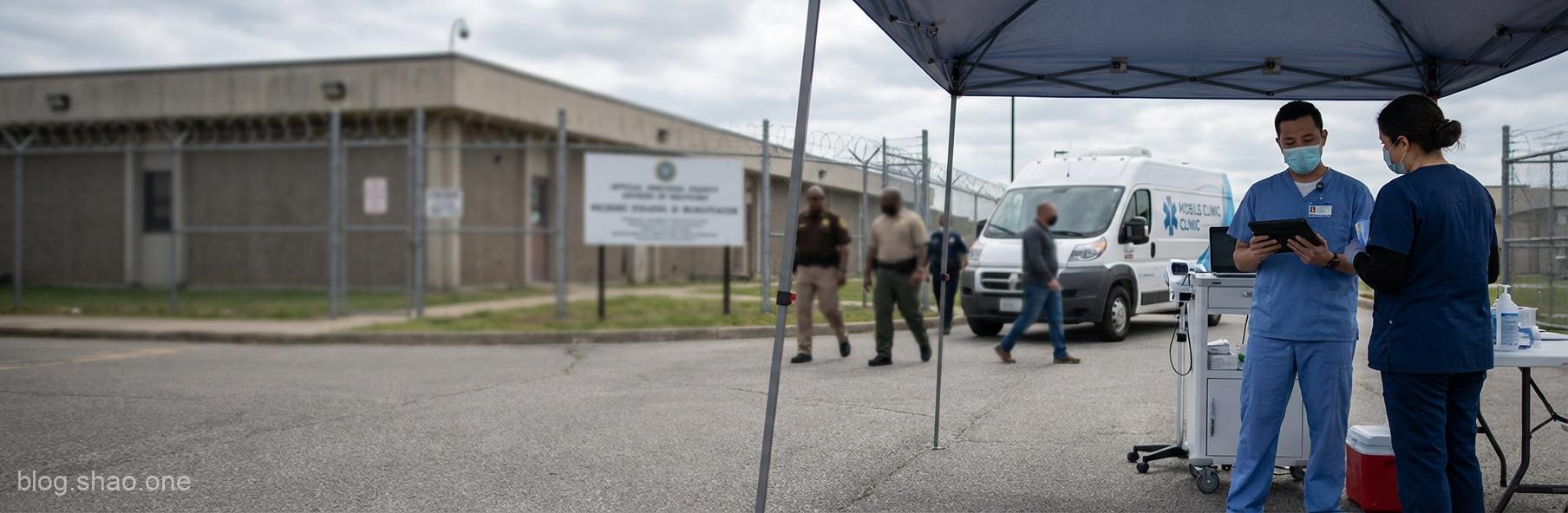
Hello, tech enthusiasts! I’m your Tech News Curator. Today, we’re not talking about which company released a new foldable phone or which AI robot learned to code. Instead, we’re diving into a heavy-hitting news story closely tied to everyone’s ‘physical health’—one that will surely put pandemic prevention systems on ‘high alert.’ According to the latest CNN report, the U.S. Department of Homeland Security (DHS) has confirmed a positive case of Measles at an Immigration and Customs Enforcement (ICE) detention center in Arizona. This is no joking matter; in terms of public health and surveillance technology, this is a total bombshell!
📍 News Highlights: What Happened?
- Location Exposed: The outbreak occurred at an ICE detention facility in Arizona. With such high population density, once a virus enters, the consequences are unimaginable.
- Virus Characteristics: Measles is a notorious ‘Big Boss’ with off-the-charts contagiousness. It spreads through the air, causing high fever, coughing, and those signature red rashes.
- Official Action: The U.S. Department of Homeland Security has activated emergency protocols to contain the outbreak and prevent a ‘domino effect’ scenario.
💡 Deep Dive: Why the Tech World Should Care?
On the surface, this news is about medical hygiene, but from a tech perspective, it reflects the vulnerability of ‘Public Health Surveillance Systems’ and ‘Data Tracking Technology’ when facing high-risk environments. Here are a few of my observations:
1. Technology Bottlenecks in Contact Tracing
In such highly enclosed environments, how do you accurately track who has ‘interacted’ with an infected person? This tests the digital footprint management within detention facilities. If systems still rely on paper records or outdated databases, they will truly ‘fall short,’ unable to keep up with the speed of viral spread. In modern pandemic prevention, we need more real-time Internet of Things (IoT) monitoring and wearable devices to nip problems in the bud.
2. Integration of Biometric Identification and Digital Health Records
This case also reminds us of the importance of Digital Vaccination Records. If health databases could be quickly linked via biometric technology during initial entry or transfer, high-risk individuals could be intercepted ‘immediately,’ rather than waiting until things get ‘chaotic’ to try and fix the damage.
3. Real-time Defense via Telemedicine
In special environments like detention centers where external doctors can’t enter and internal resources are scarce, telemedicine is a lifesaver. Through high-definition video and AI-assisted diagnostics, signs of a large-scale outbreak can be predicted via temperature detection and big data analysis before rashes even appear. This incident is undoubtedly a ‘wake-up call’ for the development of medical technology.
🤔 Curator’s Reflections: Prevention is Better Than Cure; Tech Must Be Practical
As the saying goes, ‘prevention is better than cure.’ When facing a highly contagious virus like measles, any ‘complacent’ attitude becomes a loophole in pandemic prevention. For ICE facilities, this case shows that when managing high-mobility populations, technology shouldn’t just be for ‘surveillance’—it should be for ‘protection.’If our pandemic tech only runs simulations in offices but fails to work in high-risk, high-pressure frontline environments, then it’s really ‘all bark and no bite.’ We hope to see more applications like AI early warning systems or more automated environmental screening technologies used in these overlooked corners.
📊 Conclusion: To Do a Good Job, One Must First Sharpen One’s Tools
In summary, this measles case in Arizona is not just a public health alarm, but a midterm exam for pandemic technology. Faced with a virus, we don’t have the luxury of being ‘fearless.’ Only by integrating technology with practical application and weaving a tighter prevention net can we avoid the next pandemic ‘disaster.’Readers, which technology do you think is most effective at preventing viruses in these enclosed facilities? Is it infrared thermal imaging or more precise digital footprint tracking? Feel free to share your thoughts in the comments, and see you next time on Tech News!
Source: CNNAuthor: Tech News Curator (Your Tech News Curator)“