“
Foreword: When Technology Enters the Sewers, Wastewater Becomes an ‘Epidemic Prophet’
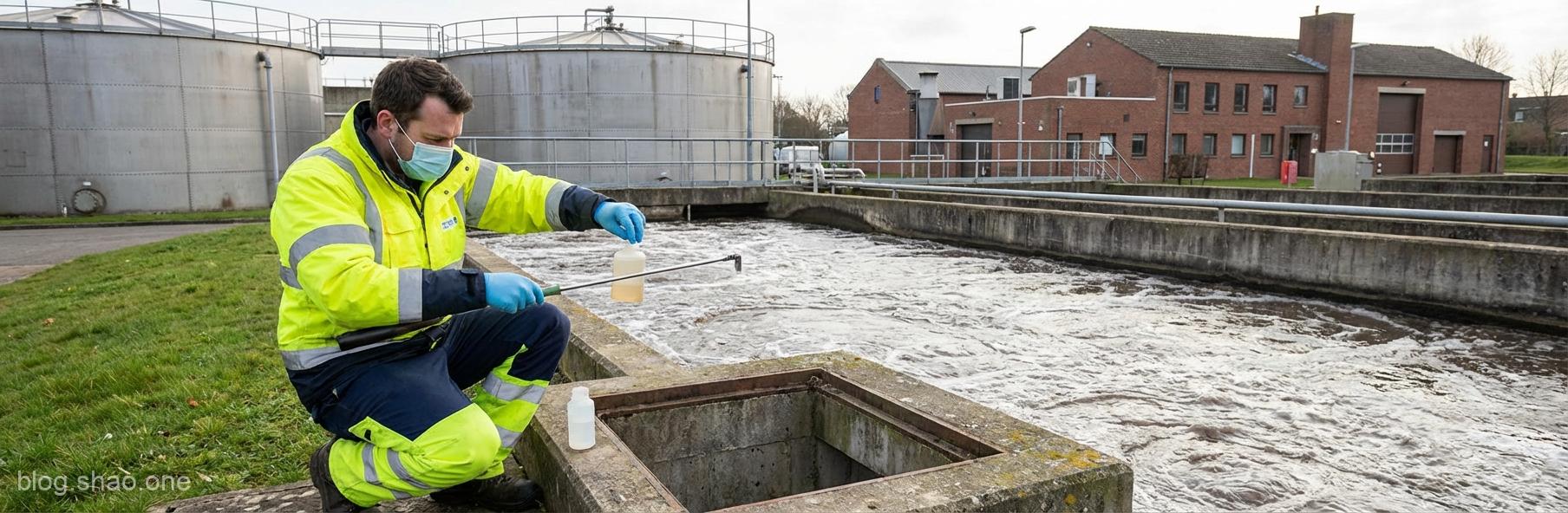
In the tech world, we are used to discussing AI’s computing power or semiconductor nanometer processes, but you might not have expected that today’s most cutting-edge ‘detection technology’ is actually hidden in the waste we flush away every day. Recently, Lawrence, Kansas, released news that has drawn high attention from the biotech community and public health experts: their local wastewater monitoring system detected high concentrations of six viruses at the same time. This is not just a health warning, but a demonstration of how ‘Wastewater Surveillance’ has become a vital tool in the fight against epidemics in the digital age.As the saying goes, ‘The wind blowing through the tower heralds a rising storm.’ In traditional epidemic prevention, we often have to wait for patients to enter hospitals and undergo screening before we can grasp the trend of an outbreak. But with the support of big data and biological genetic technology, we can now ‘nip it in the bud,’ catching clues from the sewers before a major outbreak occurs.
News Summary: The ‘Six-Virus Outbreak’ Alert in the Lawrence Community
According to reports from the Hays Post, the city of Lawrence, Kansas, recently found signs of high activity for six key viruses in wastewater samples, including:* COVID-19: Persistent variant threats.* Influenza: A peak period occurring earlier than in previous years.* Norovirus: The culprit behind gastroenteritis.* Respiratory Syncytial Virus (RSV): A significant threat to infants and the elderly.* Other Respiratory Pathogens: Such as Adenovirus.Local health departments pointed out that this indicates community infections are spreading rapidly. For tech enthusiasts, behind this news lies a technological innovation regarding ‘precision medicine’ and ‘environmental monitoring.’
In-depth Decryption: Why ‘Wastewater Monitoring’ is the Real Deal?
Many people might find the idea of monitoring wastewater a bit ‘gross,’ but in the eyes of tech experts, it is a data source with extremely high ‘gold content.’ The reason this technology has become a ‘hardcore strength’ of today’s public health prevention lies in the following three key technological points:
- Big Data Collection with Zero Privacy Invasion:Traditional clinical screening requires active individual cooperation and is easily affected by the public’s willingness to be tested. But wastewater monitoring is a ‘come what may’ approach; as long as you use the restroom, your biological information flows into the monitoring system. This method is not only low-cost and covers the entire community, but it also completely eliminates the need for invasive testing on individuals, making it an extremely efficient form of population data collection.
- Precision Strikes with PCR and Next-Generation Sequencing (NGS):Catching trace amounts of viral fragments in messy wastewater is like ‘finding a needle in a haystack.’ This requires highly sensitive PCR technology and Next-Generation Sequencing (NGS). Through these devices, scientists can not only know that a virus ‘has arrived,’ but also determine which variant it is and even predict its evolutionary direction. This is the ‘know-how’ brought by technology.
- ‘Forward Deployment’ of Warning Systems:Research shows that the viral load in wastewater usually starts to increase 4 to 7 days before clinical cases are confirmed. This time difference is ‘lifesaving money’ for governments and medical institutions. It allows hospitals to schedule personnel and stockpile supplies in advance, truly achieving the goal of ‘being prepared for a rainy day.’
Perspective & Commentary: Technology Leads Us into the Era of ‘Proactive Epidemic Prevention’
As a tech observer, I believe this incident in Kansas provides us with a profound insight: Future urban management will be a high-level integration of physiological data and digital information.In the past, we always thought tech news only existed at Silicon Valley launch events. But in reality, the combination of Biotechnology (Biotech) and environmental sensing technology is silently guarding our communities. If the ‘six-virus outbreak’ detected in Lawrence had occurred twenty years ago, we might have had to wait until emergency rooms were overflowing before realizing that ‘things have become serious.’ But now, we have the ‘keen eyes’ of technology to see through the health crises behind murky wastewater.However, this also brings some things to ponder. As wastewater monitoring becomes more common, data interpretation and public communication become crucial. How can we make the general public understand this data without causing panic? This requires tech media like us to continuously translate complex technology into easy-to-understand information.
Conclusion: Technology Turns ‘Waiting in Fear’ into ‘Being Prepared’
Facing the threat of viruses, we are no longer just passive victims. The case in Kansas tells us that although the simultaneous spread of six viruses sounds scary, with high-tech monitoring methods, we can more confidently say, ‘No need to fear.’In this age of information explosion, staying on top of technological trends means seizing the opportunity for survival. Wastewater monitoring is just one piece of the ‘Smart City’ puzzle. In the future, with the evolution of sensor technology and the involvement of AI analysis, we will even be able to achieve more precise disease prediction. Next time you flush the toilet, you might as well think: you’ve just contributed a ‘small effort’ to the nation’s public health big data!Tech Note:* Wastewater Surveillance (WWS): Utilizing wastewater samples to track the prevalence of infectious diseases.* Warning Advantage: Detecting epidemic trends about a week earlier than clinical diagnosis.* Future Trends: Combining AI prediction models to create a comprehensive biosafety monitoring network.”