Introduction: When Tragedy Strikes, the Tech Community Cannot Just Be a Bystander
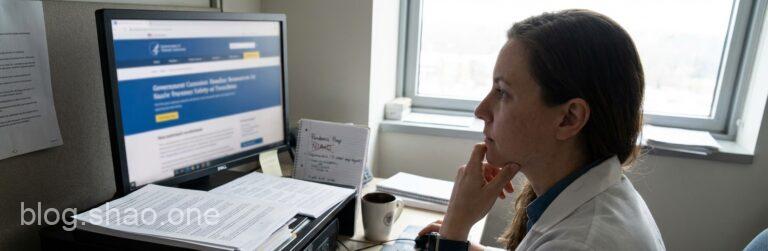
Recently, heartbreaking news came from Wisconsin, USA. According to confirmation from the local Department of Health Services (DHS), two young children passed away after contracting COVID-19 and Influenza, respectively. While we chase Generative AI, new foldable phones, or low-earth orbit satellite technology every day, this news is like a heavy blow, reminding us: the ultimate destination of technological research and development should be protecting the most vulnerable lives of humanity. As tech observers, we must reflect: in an era where data and sensing technology are so advanced, why do tragedies still occur?
I. AI Early Warning Systems: From “Nipping it in the Bud” to “Real-time Intervention”
This Wisconsin tragedy once again highlights that respiratory diseases in children cannot be taken lightly. In the field of technology, this is precisely the moment for AI Precision Medicine to shine. Currently, multiple research teams worldwide are dedicated to developing “Children’s Respiratory Sound Monitoring AI,” capturing the frequency and timbre of children’s coughs through smartphone microphones to distinguish between a common cold and life-threatening pneumonia or influenza.
- The Showdown Between Data and Life: If local influenza monitoring data can be “linked” with primary healthcare systems, using algorithms to precisely target high-risk areas at the beginning of an outbreak, the allocation of medical resources would not become “a chaotic mess.”
- Observer’s Viewpoint: Technology itself is not a panacea, but if combined with big data prediction, we can build a technological protective wall for children before the virus “hits a brick wall.”
II. The Next Step for Wearables: Not Just for Exercise, but a “Lifesaving Amulet”
We often say “experience counts,” but in the field of health sensing, the latest technology is what truly matters. Currently, smartwatches on the market mostly focus on adult heart rate and blood oxygen, but there is still significant room for improvement in wearable devices for monitoring children’s respiratory diseases.
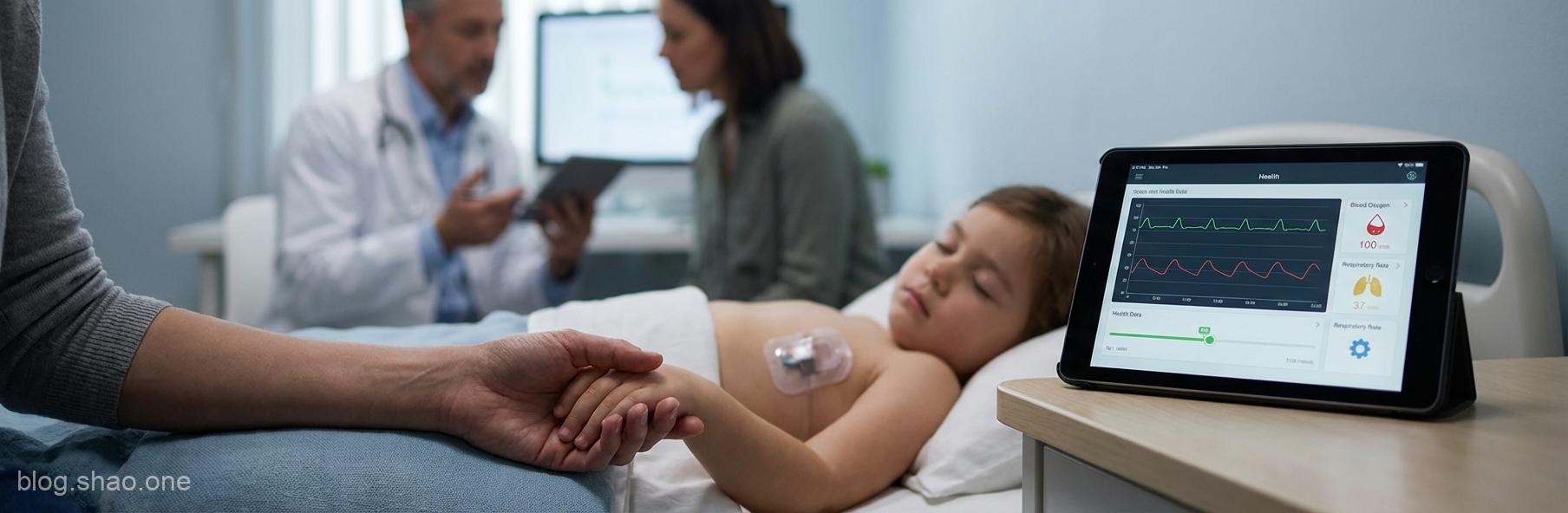
- Continuous Blood Oxygen Monitoring: The most feared aspect of respiratory diseases is “silent hypoxia.” If there were lighter, continuous monitoring patches specifically designed for children, pushing alerts to parents and doctors immediately when a child’s blood oxygen level drops abnormally, perhaps the regret of “too little, too late” during the journey to the hospital could be avoided.
- Observer’s Viewpoint: Wearable devices should not just be tech toys; bringing medical-grade sensing accuracy into the children’s wearable market is already an “urgent priority” for tech manufacturers.
III. The Last Mile of Telemedicine: A Solution to Narrowing the Urban-Rural Gap
This case in Wisconsin also reflects the importance of medical resource distribution and real-time reporting. In Taiwan, we also often face the problem of a lack of medical resources in remote areas. Telemedicine technology allows parents to consult professional doctors immediately when children show suspected flu symptoms, rather than “turning to any doctor in a panic.”
- Smart Triage Technology: Through video consultations and AI preliminary screening, the burden on emergency rooms can be effectively reduced, allowing children who are truly in critical condition to receive treatment first.
- Observer’s Viewpoint: The development of technology should not just be “icing on the cake,” but rather “providing help in times of need” at critical moments. The stability and privacy protection of telemedicine are barriers that the tech industry must overcome in the next decade.
Conclusion: The Warmth of Technology Depends on Respect for Life
The passing of these two Wisconsin children is a devastating blow to their families. As members of the tech community, while we promote 5G, 6G, or the Internet of Things, we should think more about how to truly apply these technologies to the field of public health. “Keeping up with the times” refers not only to upgrading hardware specifications but also to the evolution of life-saving mindsets.
Technology ultimately comes from humanity, and humanity’s strongest desire is to keep loved ones safe. We hope this sad news will inspire more developers to invest in HealthTech, so that in the future, no more families will have to endure the pain of parents burying their children due to “late diagnosis” or “lagging information.” Let us look forward together to a future not too far away where technology can become the most solid guardian for every child.