Introduction: “Collective Burnout” in the Post-Pandemic Era
Since COVID-19 ravaged the world, haven’t you felt tired of hearing terms like “variants,” “infectious diseases,” or “public health alerts”? There is even an unwritten rule circulating in media circles: “Never write about COVID,” because the click-through rates are simply abysmal. This phenomenon is what we might call “becoming numb from overexposure”; everyone has developed severe “pandemic fatigue.”
However, according to the latest report from ScienceAlert, scientists are as anxious as “ants on a hot pan.” While we are busy returning to normal life and enjoying overseas travel, another potential threat—H5N1 bird flu—is quietly “paddling under the surface” right under our noses, gathering energy for an outbreak.
1. Media’s Cold Reception and the Public’s Ostrich Mentality
The report points out that the publishing industry currently faces an awkward situation: the public’s appetite for virus information is already “saturated.” Everyone wants to completely forget those days of being confined at home and isolated from the world. But experts warn that this “ostrich mentality” is extremely dangerous. If we turn a deaf ear to scientific warnings and only react when disaster strikes, we will likely be in “serious trouble.”
- The Risk of Collective Neglect: When the public no longer pays attention to relevant issues, government budget allocations and scientific research resources may also be reduced accordingly.
- Information Gap: The virus won’t stop mutating just because we stop discussing it; this is a classic case of “boiling a frog in lukewarm water.”
2. H5N1 Evolution: No Longer Just “For the Birds”
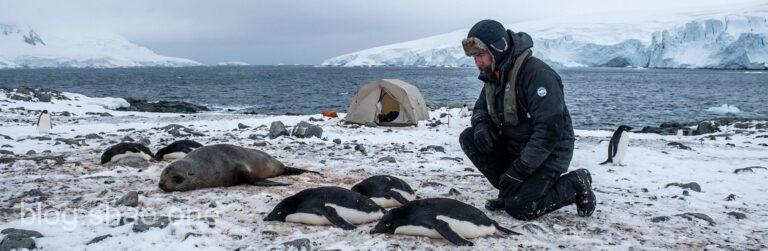
The reason this bird flu outbreak is making experts uneasy is that it has already crossed species barriers. In the past, we felt it was a matter for chickens, ducks, and geese, having nothing to do with humans. But now, H5N1 is spreading widely among mammals, including dairy cows, sea lions, and even domestic cats.
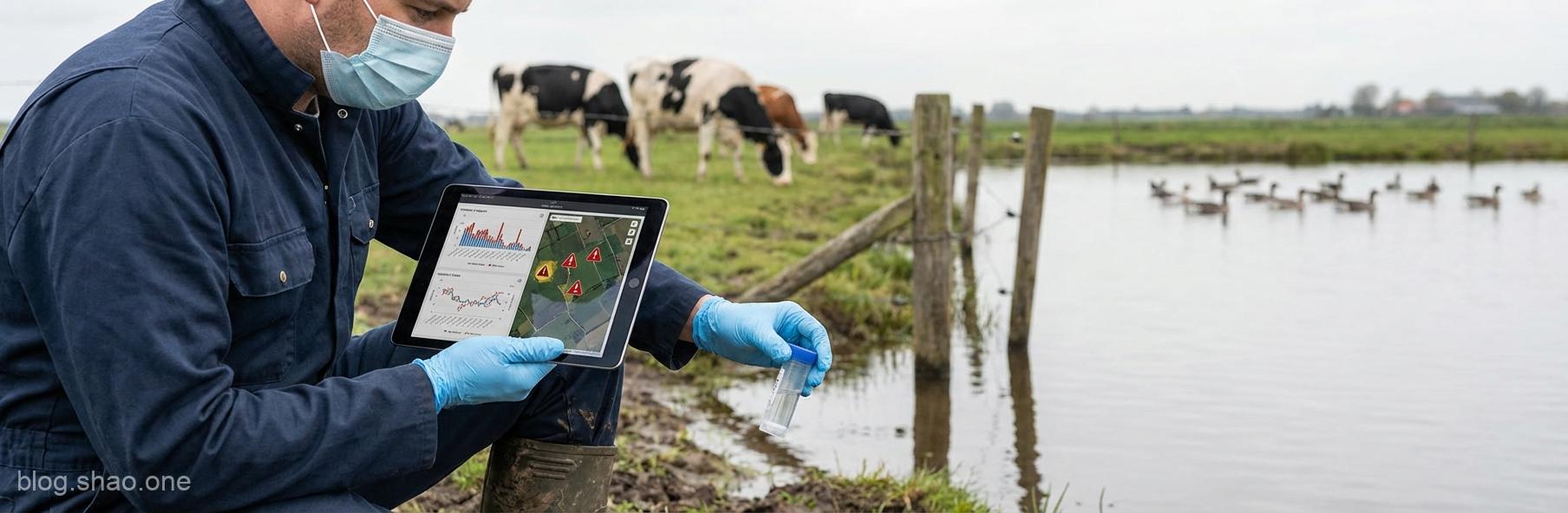
- Cross-species Spreading: In the US, cases of dairy cows contracting bird flu have appeared one after another, which was very rare in the past. This means the virus is “exploring” how to adapt to the mammalian immune system.
- The Race of Genetic Mutation: Every time the virus spreads between mammals, it gains another chance to mutate into a “human-to-human” version. It feels like “waiting in trepidation”; we don’t know when the landmine will go off.
3. The Key Role of Tech Monitoring: Prevention is Better than Cure
As part of the tech community, we must consider: before the next pandemic occurs, will our methods be more advanced than they were three years ago? Current monitoring systems still have many loopholes, and experts believe current prevention efforts are “improvised and disorganized,” missing systematic long-term planning.
- AI and Big Data: We need more powerful gene sequencing technologies and AI prediction models to issue alerts at the first sign of critical viral mutations.
- Wastewater Monitoring: This is a precious technological legacy left by the post-pandemic era. By monitoring urban wastewater, we can “prepare for a rainy day” before an outbreak occurs.
4. Expert Commentary: Staying Vigilant to Avoid “Losing Big for Small Gains”
The ScienceAlert report emphasizes that we don’t need to panic, but we absolutely cannot “let things go to rot.” What experts fear most isn’t the virus itself, but human “pride and prejudice.” We often assume technology can solve everything, yet we forget that the forces of nature often leave us “working hard for little gain.”
Implications of this news for the tech industry:
* Resilience of Remote Collaboration Tools: Companies should continue to optimize hybrid work models to avoid being caught off guard if it happens again.
* Investment in Biotechnology: The standardization and rapid response capabilities of vaccine development platforms will be the “strategic pillars of national defense” for the future.
Conclusion: Don’t Let “Safety” Turn into “Apathy”
As the saying goes, “prevention is better than cure.” Although we all hope to never face a lockdown again, only by staying vigilant can we ensure that this freedom is not just a “flash in the pan.” The threat of H5N1 is real, and we cannot “turn a blind eye” just because it’s inconvenient.
In this age of information explosion, what we need is not just click-through rates, but a commitment to the truth. We hope that after reading this, readers can clear away the fog of “pandemic fatigue” and give these scientific warnings the attention they deserve. After all, “it’s better to be safe than sorry”—the development of technology is ultimately meant to defend our lives, and the prerequisite for all of this is that we must wake up first.