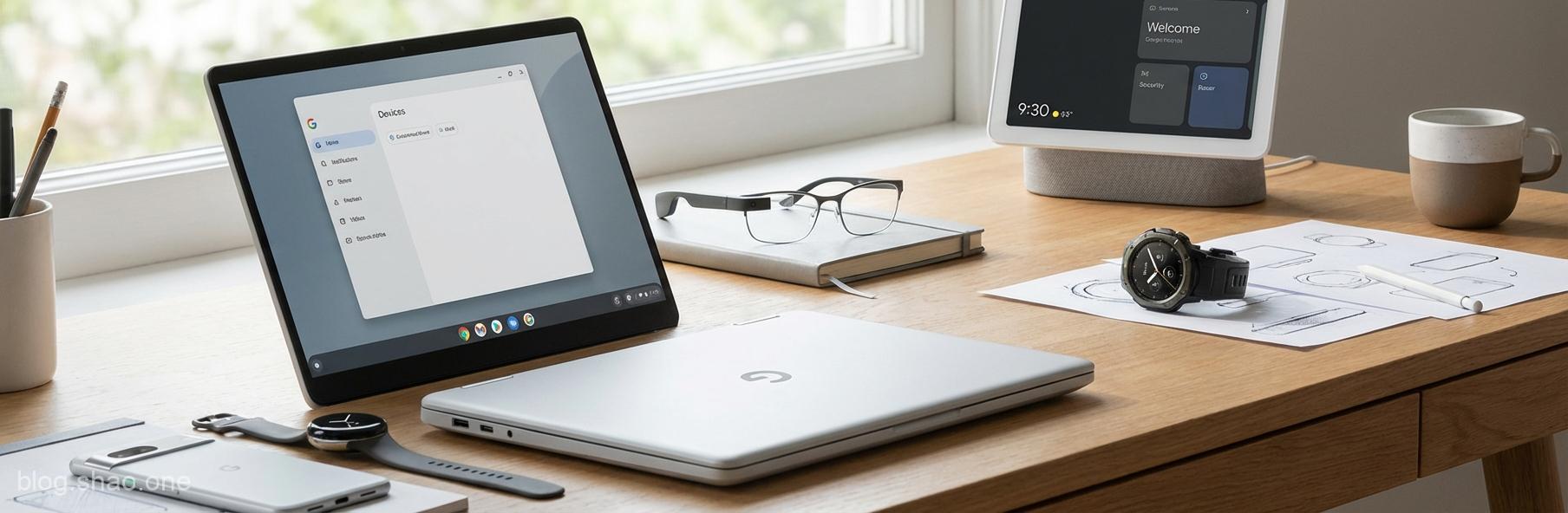
“When it comes to the Google Pixel, what typically springs to mind first is its photography algorithms so powerful they feel like "cheating," or the purest, smoothest stock Android experience. Yet Google has always harbored an adventurous spirit on its hardware journey.Recently, tech outlet 9to5Google revisited Google's hardware missteps—remember Google Clips, that camera-like gadget that didn't quite resemble a GoPro? Unveiled at the second Made by Google event, this little device never quite took off, yet it foreshadowed Google's ambition to infuse AI into every piece of hardware.Today, let's discuss what new gadgets Google fans are eagerly anticipating beyond the existing smartphones, smartwatches, and tablets. What profound implications would these products hold for Google's ecosystem?
Those Years: The Surprises and Regrets Google Brought Us
Before exploring the future, we must first discuss Google's "experimental spirit." When Google Clips debuted, it promised to automatically capture life's key moments using AI—a true "black tech" marvel at the time. Though it ultimately met an untimely demise due to unclear positioning and privacy concerns, its failure proved that Google never intended to be merely a "phone-selling" company.The Pixel family now includes smartphones (Pixel 9 series), smartwatches (Pixel Watch 3), and tablets (Pixel Tablet). But for many hardcore enthusiasts, this level of "ecosystem" clearly isn't enough—the clamor for more has never stopped.
The "Must-Have" List in Fans' Hearts: If These Products Become Reality, They'd Be Genius Moves!
Based on community discussions and market trends, here are several highly anticipated and promising potential new Pixel product categories:
- The Pixelbook's Grand Return (High-End Laptop Market)
- Pixel Glass Smart Glasses (The Ultimate AR/AI Platform)
- Pixel Watch Ultra (The Ultimate Sports Wearable)
- Smarter Pixel Home Integration
Since the Pixelbook Go was discontinued, the market has lacked a hardware device that truly represents the pinnacle of ChromeOS. Many users are eager to see a Pixelbook equipped with a Tensor chip and deeply integrated with Gemini AI. If the smooth performance experienced on smartphones could be brought to laptops, it would be incredibly appealing to those who need lightweight productivity tools and seek premium aesthetics—especially those "hipster Apple fans" transitioning to "Google fans."
As Meta and Apple ramp up their efforts in wearable devices, Google's Google Maps and Google Lens technologies seem tailor-made for smart glasses. Imagine walking through Taipei's streets with glasses that automatically navigate for you, translate shop signs, and even tell you which beef noodle shop is the most "must-try"—that's what true tech-enhanced living looks like.
Although the Pixel Watch is now in its third generation, its battery life and durability still fall a bit short for outdoor enthusiasts. If Google could release a product that directly competes with the Apple Watch Ultra, combined with Fitbit's professional sports data, many fitness enthusiasts would likely switch over immediately.
Although the Nest series already exists, a home hub bearing the "Pixel" nameplate with superior computing power and display quality would elevate smart home capabilities beyond mere voice commands to actively anticipate user needs. Such a device would undoubtedly compete at an entirely different level.
In-Depth Analysis: Why Google Must Expand the Pixel Ecosystem
Why do we care so much about what new products Google is launching? It's not just about "completing the full suite"—there are actually deep strategic considerations behind it:
- AI Materialization (Gemini On-the-Go):
- Building "Faith" and Brand Loyalty:Apple's strength lies in its ecosystem that keeps users locked in. For Google to break through in the hardware market, it must deliver a consistent cross-device experience. When your phone, watch, laptop, and headphones communicate seamlessly, that convenience becomes true competitive advantage.
- Big Data and Hardware-Software Integration: An Experimental ArenaJust like Google Clips back then—though it failed, the AI imaging algorithms it pioneered went on to fuel the development of the Pixel Camera. Each new product category serves as a testing ground for Google's emerging technologies.
Google is now fully committed to advancing Gemini AI. No matter how powerful the software, it requires robust hardware to serve as its foundation. By expanding the range of Pixel devices, Google can integrate AI into every aspect of daily life, extending its reach beyond the confines of a smartphone screen.
Conclusion: You have to cast a long line to catch a big fish.
Although Google has often been jokingly called a "product graveyard" where many interesting things disappear shortly after appearing, we cannot deny that the Pixel brand's progress in recent years has been undeniable. From its initial struggles to gradually competing on equal footing with Samsung and Apple, Google is clearly playing the long game.For us consumers, seeing more innovative Pixel products emerge not only gives us more choices but also drives competition across the entire tech industry. Which area would you most like to see Google Pixel venture into? A laptop that helps you out in the office, or glasses that accompany you on adventures in the streets? Feel free to share your thoughts in the comments below. Let's all clamor for it together—who knows, maybe Google's next launch event will truly deliver a "big surprise"!”