“
【Tech Report】Where to Find It: The Medical Revolution Hidden in the Belly of a Rain Frog
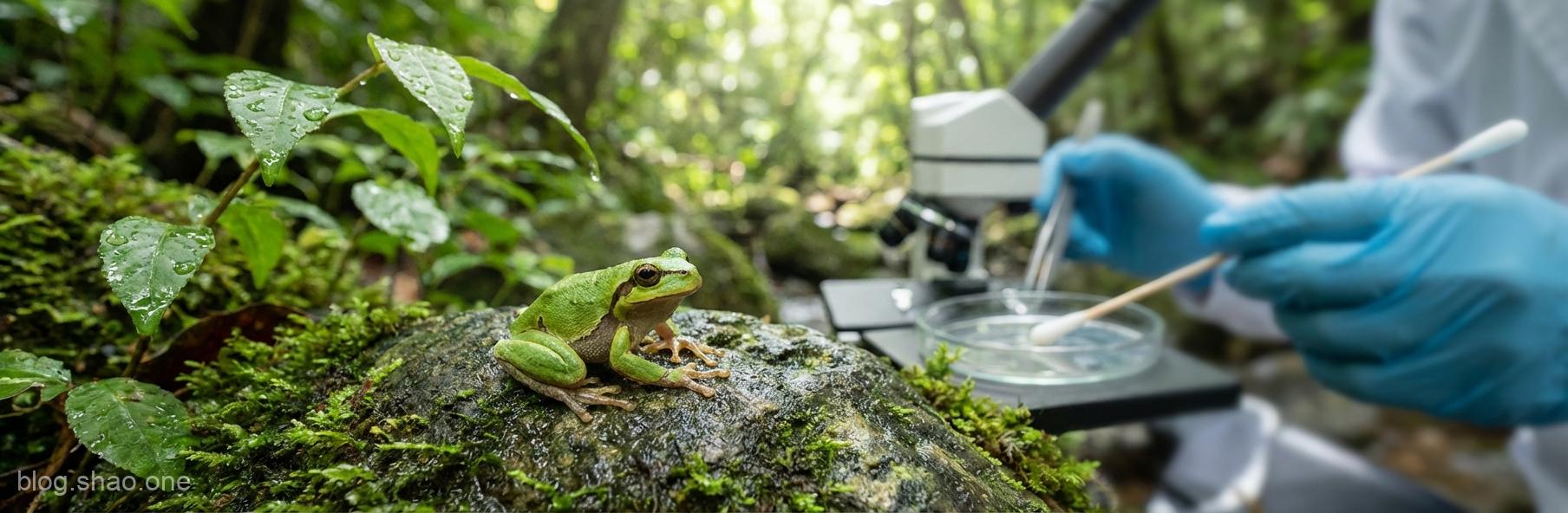
In today's rapidly advancing technological landscape, we often assume the most powerful weapons against cancer will emerge from high-end microscopes in clean rooms or be calculated by supercomputers in Silicon Valley. Yet a recent scientific discovery has stunned the global biomedical community."blindsided." According to ScienceAlert, scientists discovered a cancer-fighting bacterial strain with remarkable potential within the gut microbiota of Japanese tree frogs. This finding not only marvels us at nature's ingenuity but may also herald a "revolutionary" transformation in cancer treatment.
🎯 Key Takeaway: What makes this frog so amazing?
The core of this research lies in scientists successfully isolating a specific bacterial strain from the microbiome of the Japanese tree frog. Below are several key highlights of this discovery:
- Tumor-Busting Powerhouse: In mouse experiments, this bacterial strain demonstrated remarkable efficacy, causing tumors to shrink completely and even vanish.
- Minimal Side Effects: Unlike the severe side effects of traditional chemotherapy, which often involve significant collateral damage, this novel therapy has demonstrated virtually no serious adverse effects in clinical trials. This represents the greatest hope for cancer patients.
- Precision Targeting: This strain appears to precisely target cancer cells with the accuracy of a guided missile, unlike traditional drugs that cause widespread damage to healthy cells.
- New Frontiers in the Microbiome: This discovery reaffirms that the "symbiotic bacteria" within animals represent an untapped biotech goldmine, with the development of such "biological agents" becoming a fiercely contested battleground.
💡 In-Depth Analysis: Why Is This Discovery "Extraordinary"?
As technology observers, we must contemplate the profound implications behind this discovery. For years, cancer treatment has been mired in a desperate struggle. Even with immunotherapy, its high cost and individual variations in patient physiology remain significant barriers. In contrast, "natural antibiotics" or "anti-cancer metabolites" derived from nature often exhibit superior biocompatibility.The discovery of the Japanese rain frog is truly a case of turning something seemingly worthless into something extraordinary.In the past, our impression of rain frogs might have been limited to their croaking after rain. Who could have imagined that their intestines harbor such hidden wonders? This underscores that in today's world of dwindling biodiversity, protecting the natural environment is essentially safeguarding humanity's future "medicine cabinet." If these species become extinct, humanity may also lose many "last chances for survival."Moreover, this underscores the importance of interdisciplinary research. By integrating zoology, microbiology, and modern biotechnology, scientists can uncover extraordinary value in seemingly ordinary organisms. This "shortcut" approach to research may prove more efficient than solely developing new drugs through chemical synthesis laboratories.
🚀 Future Outlook: Bridging the Final Gap from Lab to Clinic
Although the experimental results in mice are encouraging, offering a glimmer of hope akin to "a ray of light at the end of the tunnel," we must remain cautiously optimistic. The transition from animal studies to human clinical trials is often a long and challenging journey, where even the slightest misstep could mean "all efforts come to naught."What we need to observe next is:1. Mass Production Technology: How can this bacterium be cultivated on a large scale and its active components extracted? This requires sophisticated high-throughput screening and bioreactor technology.2. Safety Verification: The human immune system is far more complex than that of mice, and whether rejection reactions will occur still requires time to observe.3. Commercialization Costs: Can we achieve "high quality at an affordable price"? Making this advanced biotherapy accessible to ordinary households is a crucial challenge in technological equity.In summary, this discovery involving the Japanese rain frog has opened a door to the future of medicine. Before the mysteries of nature, humanity appears so small, yet it is precisely this thirst for knowledge that makes us great. Let us wait and see if this "little frog" can truly become the "great hero" that revolutionizes the history of human cancer treatment!#TechNews #Biotechnology #CancerTreatment #JapaneseRainFrog #MedicalInnovation #MysteriesOfNature“