“Hello everyone, welcome to today's special on technology and public health. In this era where AI is advancing at breakneck speed, we thought many "ancient diseases" had long been consigned to history. But according to NBC News' latest investigative report, this "old screw" seems to be coming loose.Today we're discussing a topic that sounds a bit dated but carries serious implications: tetanus may be brewing a "revenge" in certain regions of the United States.
💡 Key Event: When Vaccines Meet Climate Change
According to NBC News, medical experts have recently warned that tetanus cases may rise as vaccination rates decline in some areas and climate change-induced natural disasters increase. The situation is particularly concerning in regions prone to hurricanes and flooding, such as Florida and Texas. Here are the key points from this news report:
- Vaccination rates "slackening": Due to post-pandemic vaccine hesitancy and pressures on public health systems, many adults are neglecting the recommended ten-year booster shots for tetanus (Tdap or Td).
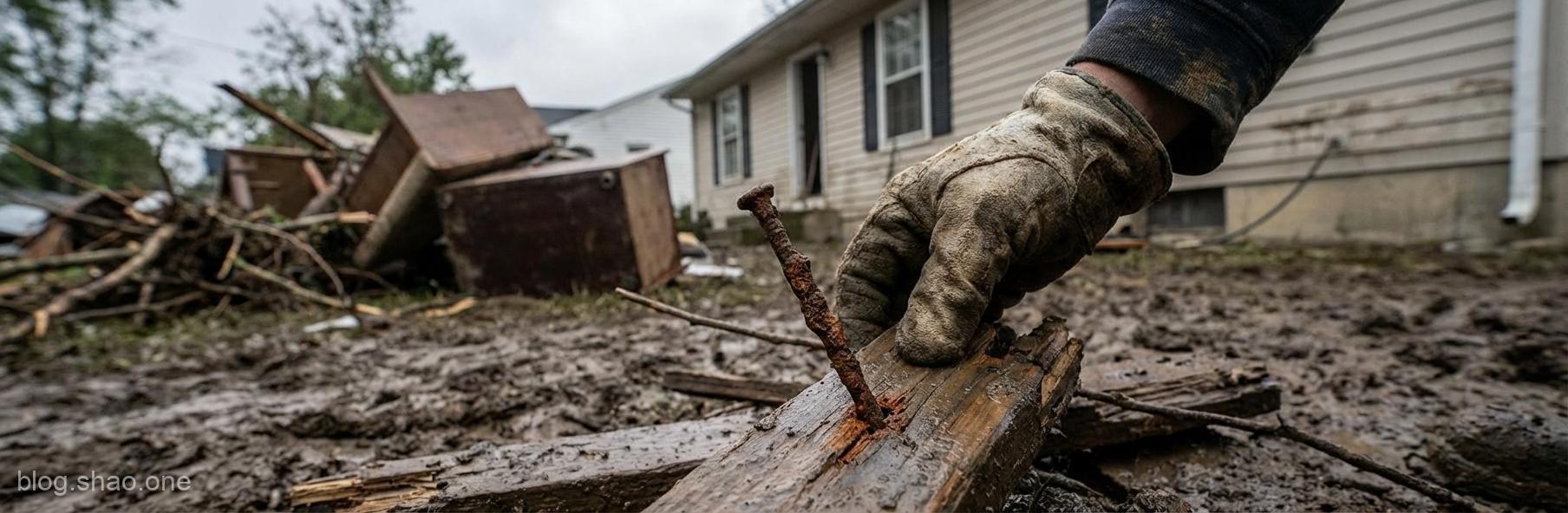
- Climate Change's Cascading Effects: Extreme weather patterns trigger frequent flooding. As disaster victims clear debris and rubble, the risk of injury and bleeding significantly increases. Tetanus bacteria present in soil can easily enter the body through wounds.
- Deadly "Lockjaw": Tetanus, also known as lockjaw, causes severe muscle spasms that can lead to fractures or respiratory failure in severe cases, with a mortality rate that should not be underestimated.
🛠️ Tech Perspective: Why Is This a Major Issue in the Digital Age?
As technology observers, we cannot merely scratch the surface. The resurgence of tetanus threats reflects underlying failures in "information dissemination" and "data tracking":
- Side effects of algorithms: Misinformation about vaccines spreads rapidly on social media, casting doubt on vaccines' proven protective effects backed by scientific evidence. When false information takes root first, legitimate health education struggles to gain traction.
- The Gap in Electronic Health Records: Despite the push toward digital healthcare, adult vaccination records often remain unconnected across states and healthcare providers. Many individuals simply cannot recall when they last received a shot, highlighting significant room for improvement in technological integration.
- The Absence of Disaster Early Warning Systems: While we now possess robust weather forecasting capabilities, the integration of technology and public health systems remains insufficient for "post-disaster health risk warnings." This prevents timely and precise alerts to disaster-affected populations regarding the need for booster vaccinations.
📌 Expert Commentary: Public Health Protection Requires Flexibility, Not Rigidity
There's a Taiwanese proverb that says "prepare for rain before it falls," yet many people stubbornly refuse to believe in misfortune. In today's era of rapid technological advancement, we often chase the most cutting-edge gene editing or precision medicine, forgetting the most fundamental and cost-effective "preventive medicine."The deeper significance of this trend:The potential increase in tetanus cases reflects humanity's vulnerability when confronting a deteriorating natural environment.Despite technological progress, if our fundamental antibody defenses collapse, a single flood or a rusty nail could halt modern life. This also serves as a reminder to the tech industry: while developing smart wearables to track heart rate and blood oxygen levels, effectively integrating and reminding the public about basic disease prevention may be the next key focus for digital healthcare.
🔍 Health Keywords You Should Know
- Incubation period: 3 to 21 days, with symptoms typically becoming more severe when onset occurs sooner.
- Symptoms: Beginning with stiffness in the neck and back muscles, progressing to the point where swallowing or breathing becomes impossible.
- Solution: Check your vaccination record! If it's been over 10 years since your last tetanus booster, or if you've recently sustained an outdoor injury (especially a wound exposed to dirt), don't delay—seek medical attention immediately.
📝 Conclusion: Don't let old ailments become new crises.
In an era where even Musk is sending people to Mars, it's truly laughable yet frustrating that we're still held back by an "old ailment" like tetanus.Climate change and declining vaccination rates pose universal challenges for humanity. As citizens of the tech age, we should care not only about the latest smartphone models but also use data and accurate information to safeguard our health.Everyone, please check your vaccination records—this is no joke. Prevention is always better than cure! See you next time.”