“
🌟 Foreword: When "Slash Career" Meets "Fashion," Is Your Wardrobe Paying Your Rent?
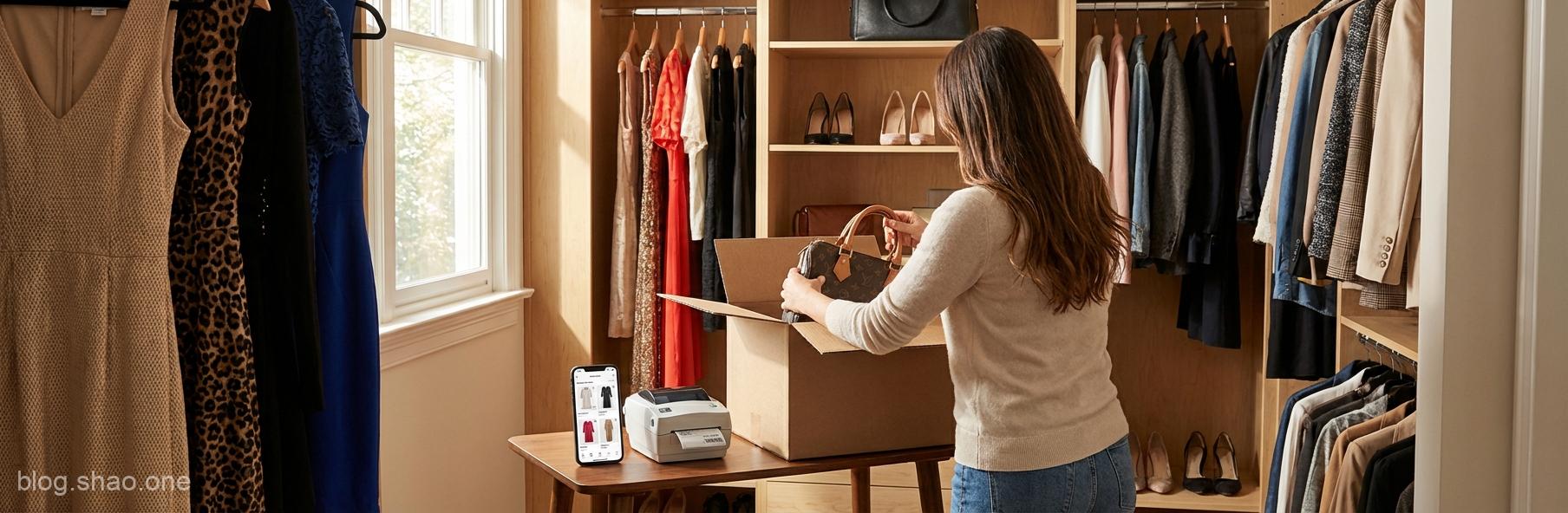
In this era of skyrocketing prices where even eggs are counted penny-wise, have you ever looked at those expensive yet rarely worn designer clothes in your closet and sighed, "If only these clothes could make money themselves"?Don't think this is just a pipe dream! According to a recent CNN report, a new "fashion side hustle" is quietly taking off. Emilie Nasseh, a 30-year-old woman from Manhattan, earns up to $2,000 (approximately NT$64,000) extra each month by renting out her unused clothing and accessories.This isn't just "upcycling"—it's a prime example of transforming "idle assets" into "cash flow" through tech platforms. Today, we'll explore the tech and business opportunities behind this "rent instead of buy" trend.
👗 Key Highlight: How Pickle Platform Made "Clothing Rental" a Trend?
The protagonist of this story is a peer-to-peer (P2P) clothing rental platform called Pickle. Unlike traditional rental companies that need to procure inventory themselves, Pickle establishes a matching mechanism that allows ordinary people like you and me to "monetize" the treasures in our own closets.
- High Returns: Emilie Nasseh achieved the remarkable feat of earning $2,000 a month by renting out designer dresses and handbags—income that surpasses many people's full-time salaries.
- Social Demand Drives: The younger generation places immense importance on "outfit completeness" for social occasions. Faced with designer labels costing tens of thousands of yuan, they prefer renting for a day at a fraction of the cost rather than "biting the bullet" to buy outright, satisfying their need for Instagram exposure.
- Technology-Empowered: The platform uses algorithms to precisely match renters and lenders, while providing logistics and basic insurance mechanisms to reduce risks such as "damaged clothing" or "lost shipments."
🔍 Tech Perspective: The core competitive advantage of this peer-to-peer model lies in "trust endorsement" and "logistics automation." The technology platform resolves the most challenging issues in traditional secondhand transactions: "authenticity verification" and "real-time processing."
🚀 Why is this so crucial in the tech industry and consumer market?
This is not merely a story about "earning extra income"; it reflects the current shift in consumer behavior driven by technology:
- The Second Half of the Sharing Economy:
- Sustainable Fashion and Eco-Friendly Trends:
- Big Data Predicts Trend Forecasts:
In the past, when we discussed the sharing economy, we thought of Uber (for rides) or Airbnb (for accommodations). Now, this trend has extended to the more personal realm of the "fashion industry." This signifies that the concept of valuing "usage rights" over "ownership" has become deeply ingrained among users. As long as platforms can address hygiene and logistics challenges, anything can be shared.
The environmental pollution caused by fast fashion has long been criticized. By "renting instead of buying," a high-quality garment can be reused multiple times, reducing waste. This aligns with the ESG (Environmental, Social, and Governance) goals currently pursued by major global tech companies.
Platforms like Pickle have access to vast amounts of "rental data," enabling them to identify which styles and color palettes are trending in specific regions earlier than traditional retailers. When combined with AI in the future, this data will allow for precise predictions of the next fashion hit.
💡 Expert Analysis: Is This Business Really a "Sure Thing"?
While earning $2,000 a month sounds tempting, we must also think critically. When such peer-to-peer rental platforms launch in Taiwan or other regions, they may face the following challenges:
- The Conflict of the "Cherish Possessions" Culture: Many people treat designer handbags like their own children. The thought of lending them to strangers for parties inevitably raises concerns like, "What if someone spills red wine on it?" This necessitates more robust insurance and claims mechanisms to support such practices.
- Cleaning and Maintenance Costs: Unlike cars or motorcycles, clothing doesn't depreciate with increased washing. Striking a balance between high-frequency rentals and maintaining garment condition is the "fundamental skill" for rental operators.
- Logistics Efficiency: While logistics may be a pain point in the United States, Taiwan's convenient convenience store pickup system could be a major boon for the development of such platforms.
🏁 Closing Thoughts: Your wardrobe could be the starting point for the next unicorn.
This CNN report offers a key insight: With technology's help, profit models are becoming increasingly fragmented. Where opening a physical store was once necessary to do business, now all it takes is a smartphone and a tidy wardrobe for anyone to become their own "brand owner."If you also have a pile of designer goods that are "too good to throw away but not worth wearing," you might want to check out these emerging apps. It's not just about making money—it's about joining a tech revolution that makes fashion more democratic and eco-friendly.After all, rather than letting that expensive gown sit idle in your closet, why not send it out to earn some passive income for you?✨ Interactive Time:Would you rent your designer clothes to strangers? Or would you choose to rent an outfit for a wedding to save money? Share your thoughts in the comments below!”