“
Shocking Revelation! Johnson & Johnson Hits Another Snag as Massive Settlement Exposes Industry Scandal
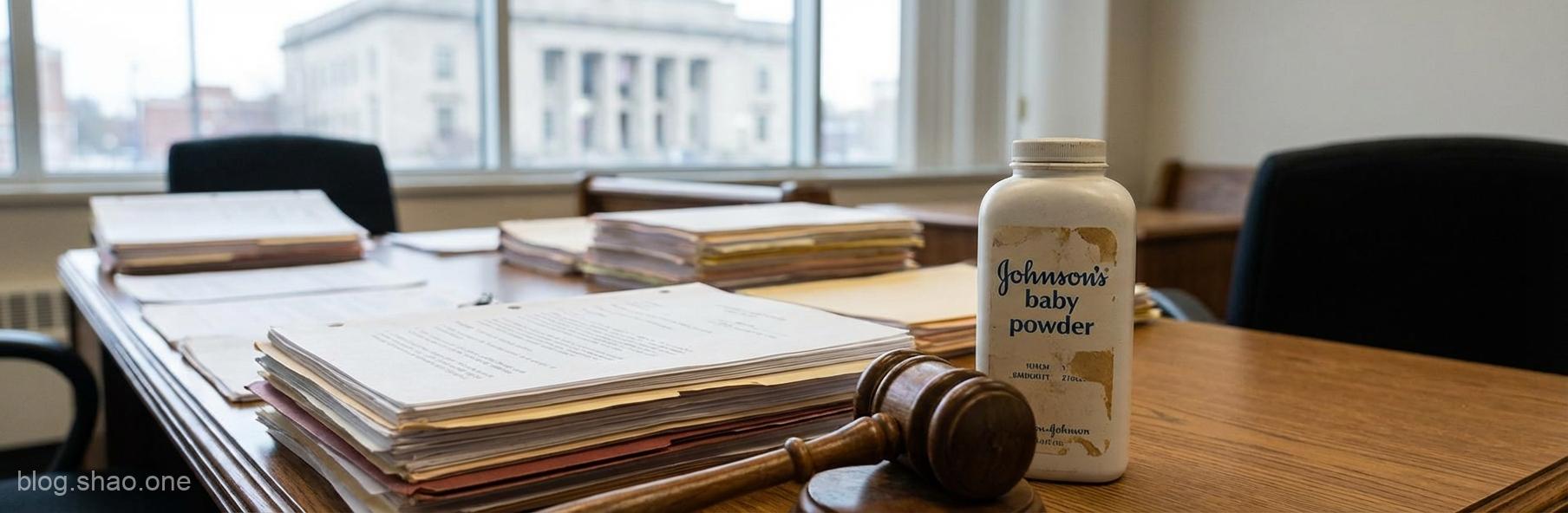
The hottest topic in the tech and biomedical sectors lately is undoubtedly a recent court ruling in Minnesota. This legal marathon against multinational giant Johnson & Johnson has once again delivered news that left consumers worldwide "stunned."Anna Jean Houghton Carley, a woman diagnosed with cancer, was exposed to asbestos risks through long-term use of Johnson & Johnson talcum powder products, ultimately developing mesothelioma. The court jury ultimately ruled that Johnson & Johnson must pay damages totaling $65.5 million (approximately NT$2.1 billion).This case is not merely a "big deal"—it represents a severe test for the global regulatory system governing biotech products. Below is a summary of the core points and in-depth analysis of this news story:
Core Focus of the Case: Why is the compensation amount so staggering this time?
- The Key to Carcinogenesis: The Hidden Dangers of Asbestos
- The Jury's Fury: Not Just Compensation, But Punishment
- Johnson & Johnson's Legal Quagmire: One Wave After Another
Anna claims she developed the rare cancer mesothelioma because Johnson & Johnson's talcum powder products contained asbestos. This mineral was once widely used, yet its potent carcinogenic properties have long been an "open secret." The core of this lawsuit centers on whether Johnson & Johnson knew about this risk during production but deliberately deceived consumers.
This $65.5 million award serves not only to compensate the plaintiffs for their physical and emotional suffering, but more significantly as a warning. Within the U.S. legal system, such rulings often aim to "kill a chicken to scare the monkeys"—warning large corporations against prioritizing profits over public health.
This is not the first lawsuit Johnson & Johnson has faced. In fact, thousands of similar cases are pending across the United States. For this century-old company, the integrity crisis has already cost them both their reputation and their profits.
【Editor's Note】What does this mean for the tech and consumer industries?
This news story has sparked heated debate in the tech community because it touches on the most sensitive nerves of "corporate responsibility" and "transparency." Here are our observations:
- The Information Age: Truth Can't Be Hidden Forever
- The Importance of ESG Integrity Metrics:
- The Revolution in Product Ingredient Transparency:
In the past, large corporations could conceal product defects through closed supply chains. But under the scrutiny of big data and modern medical research, any attempt to "change the packaging but not the contents" will ultimately be exposed. Technological advances have made evidence easier to gather, compelling companies to maintain product quality with greater vigilance.
Investors today look beyond financial statements to evaluate a company's ESG (Environmental, Social, and Governance) performance. Johnson & Johnson's legal troubles serve as a resounding slap in the face to companies that cut corners in research and development or engage in superficial compliance when disclosing risks.
This lawsuit will catalyze a global "de-petrochemicalization" movement within the cosmetics and cleaning products industry. It represents not only a triumph for medicine but also a driving force compelling companies to invest in technological innovation. Moving forward, "natural, non-toxic, and zero burden" will cease to be mere marketing rhetoric and instead become essential survival skills for businesses.
Conclusion: How Consumers Can Protect Themselves
Although this lawsuit took place far away in Minnesota, USA, it is closely tied to each of our lives. The Johnson & Johnson case teaches us that even when dealing with long-established, well-known products, we cannot afford to be complacent. As the saying goes, "A small theft leads to a big one." If a company neglects safety in minor details, the resulting chain reaction could ultimately destroy the entire brand.As savvy tech consumers, we should:* Read the ingredient list carefully: Don't get fleeced by fancy packaging and heartwarming advertising slogans.* Track authoritative research: Leverage online technology to consult product evaluations from the World Health Organization (WHO) or relevant environmental organizations.* Refuse to blindly follow brands: Fame doesn't equal safety— Maintaining critical thinking is the way to go.Johnson & Johnson is expected to appeal this ruling, but this battle for integrity has already severely weakened the company. Will this industry giant learn from its mistakes or continue to employ delaying tactics? We will keep you updated.
What are your thoughts on the Johnson & Johnson talcum powder case? Share your insights in the comments section and join us in discussing safety matters in our tech-driven lives!“